Dates vs Prunes: Glycemic Index, Constipation, Weight Loss 2025

Dates vs prunes comparison showing nutrition facts, glycemic index, fiber content, constipation relief benefits, diabetes suitability, weight loss advantages, and health benefits of dried fruits.
Dates vs Prunes: Which Is Healthier?

Dates vs Prunes (2026): Complete Comparison of Nutrition, Glycemic Index, Constipation Relief, Weight Loss, Diabetes, Bone Health & More

Quick Answer: Dates vs Prunes

If you are trying to decide between dates and prunes, the best choice depends on your health goals.

Choose prunes if your priority is constipation relief, digestive health, lower glycemic impact, or bone support.

Choose dates if you want natural energy, a healthy alternative to refined sugar, workout fuel, or a nutrient-rich snack.

Both fruits contain valuable vitamins, minerals, antioxidants, and fiber. However, they differ significantly in sugar content, glycemic response, digestive effects, and culinary uses.

This comprehensive guide compares dates and prunes in detail, helping you understand which dried fruit is best for weight loss, diabetes management, constipation relief, athletic performance, and overall health.


Table of Contents

  • What Are Dates?

  • What Are Prunes?

  • Dates vs Prunes at a Glance

  • Complete Nutrition Comparison

  • Calories and Macronutrients

  • Sugar Content Analysis

  • Fiber Comparison

  • Glycemic Index and Glycemic Load

  • Dates vs Prunes for Diabetes

  • Antioxidants and Disease Prevention

  • Heart Health Benefits

  • Potassium Comparison

  • Digestive Health Benefits

  • Constipation Relief

  • Weight Loss Comparison

  • Bone Health Benefits

  • Athletic Performance

  • Frequently Asked Questions


What Are Dates?

Dates are the edible fruits of the date palm tree (Phoenix dactylifera), one of the oldest cultivated fruit trees in human history.

Date cultivation has been practiced for thousands of years across the Middle East, North Africa, and South Asia. Today, dates are consumed worldwide due to their rich flavor, nutritional value, and versatility.

Popular varieties include:

Medjool Dates

Known as the "King of Dates," Medjool dates are large, soft, and naturally sweet with caramel-like notes.

Ajwa Dates

Highly valued for their unique taste and cultural significance, Ajwa dates are grown primarily in Madinah, Saudi Arabia.

Sukkari Dates

Sukkari dates are famous for their honey-like sweetness and soft texture.

Mabroom Dates

Long, chewy, and moderately sweet.

Safawi Dates

Dark-colored dates known for their rich flavor profile.

Mazafati Dates

Soft, moist dates widely cultivated in Iran.

Deglet Nour Dates

Often called the "Queen of Dates," known for their translucent amber appearance.

Dates are naturally free from added sugar and provide an excellent source of energy through their natural carbohydrate content.


What Are Prunes?

Prunes are dried plums, typically produced from European plum varieties.

Unlike many dried fruits, prunes possess a unique nutritional profile that has earned them a reputation as one of the best foods for digestive health.

Prunes are widely consumed throughout North America and Europe and are frequently recommended by healthcare professionals for maintaining regular bowel movements.

Their distinctive nutritional properties come from a combination of:

  • Dietary fiber

  • Sorbitol

  • Polyphenols

  • Potassium

  • Vitamin K

These compounds contribute to many of the health benefits associated with regular prune consumption.


Dates vs Prunes at a Glance

CategoryDatesPrunes
CaloriesHigherLower
Sugar ContentHigherLower
FiberSimilarSimilar
PotassiumHighVery High
Vitamin KLowHigh
Constipation ReliefGoodExcellent
Bone HealthModerateExcellent
Glycemic ImpactModerateLow
Workout FuelExcellentModerate
Diabetes FriendlyModerateBetter

Although both fruits offer valuable nutrients, they serve different purposes in a healthy diet.


Complete Nutrition Comparison (Per 100 Grams)

Understanding the nutritional differences between dates and prunes is essential for making informed dietary decisions.

NutrientDatesPrunes
Calories277 kcal240 kcal
Carbohydrates75 g64 g
Sugars63–66 g38 g
Fiber7 g7 g
Protein2 g2.2 g
Fat0.2 g0.4 g
Potassium656 mg732 mg
Magnesium54 mg41 mg
Vitamin KLowHigh

One of the most important observations is that dates contain considerably more natural sugars and calories than prunes.

This makes dates an excellent energy source but also means portion control is important.

Prunes, meanwhile, offer lower sugar content while maintaining similar fiber levels.


Calories Comparison: Which Is Better for Weight Control?

Many consumers search for low-calorie alternatives when trying to manage their weight.

Per 100 grams:

  • Dates: approximately 277 calories

  • Prunes: approximately 240 calories

While both are calorie-dense compared to fresh fruits, prunes contain fewer calories overall.

However, calories alone do not determine whether a food supports weight management.

Satiety, fiber content, nutrient density, and eating behavior are equally important.

Dates often satisfy sweet cravings and may help replace processed desserts.

Prunes tend to create stronger feelings of fullness and may reduce overall calorie intake throughout the day.


Sugar Content: Are Dates Too High in Sugar?

One of the most common concerns about dates involves their sugar content.

Dates contain:

  • Glucose

  • Fructose

  • Sucrose

These sugars occur naturally and are accompanied by fiber, minerals, and antioxidants.

Prunes contain substantially less sugar than dates, making them attractive for people monitoring carbohydrate intake.

Approximate sugar content:

  • Dates: 63–66 grams per 100 grams

  • Prunes: 38 grams per 100 grams

Despite the higher sugar content, dates generally produce a lower glycemic response than many people expect due to their fiber content and food matrix.

Still, individuals with diabetes should monitor portions carefully.


Fiber Comparison: Which Fruit Supports Better Digestion?

Fiber plays an important role in:

  • Digestive health

  • Blood sugar control

  • Appetite regulation

  • Cholesterol management

Both dates and prunes provide approximately 7 grams of fiber per 100 grams.

However, fiber quality differs.

Prunes provide a unique combination of:

  • Soluble fiber

  • Insoluble fiber

  • Sorbitol

This combination contributes significantly to their digestive benefits.

Dates primarily rely on dietary fiber without significant sorbitol content.

As a result, prunes often outperform dates for constipation relief.


Glycemic Index Comparison

The glycemic index (GI) measures how quickly foods raise blood sugar levels.

Foods are generally classified as:

  • Low GI: 55 or below

  • Medium GI: 56–69

  • High GI: 70 or above

Glycemic Index of Dates

Depending on the variety, dates generally fall within:

GI 42–55

Common varieties such as Medjool, Ajwa, and Deglet Nour usually remain within the low-to-moderate range.

Glycemic Index of Prunes

Prunes typically have a GI around 29.

This places them firmly in the low-GI category.

As a result, prunes generally cause a slower rise in blood sugar compared with dates.


Glycemic Load: The More Important Metric

Many people focus solely on glycemic index.

However, glycemic load often provides a more realistic picture.

Glycemic load considers:

  • Glycemic index

  • Actual carbohydrate content

  • Typical serving size

Even though dates contain more sugar, moderate portions can still produce a manageable glycemic load.

This is why many nutrition experts recommend evaluating portion size rather than avoiding dates completely.


Dates vs Prunes for Diabetes

One of the fastest-growing search topics is:

"Are dates or prunes better for diabetics?"

The answer depends on several factors.

Why Prunes Are Often Preferred

Prunes offer:

  • Lower glycemic index

  • Lower sugar content

  • High fiber

  • Better satiety

These characteristics may help reduce post-meal blood sugar fluctuations.

Why Dates Are Not Automatically Off-Limits

Dates contain:

  • Fiber

  • Potassium

  • Polyphenols

  • Antioxidants

When consumed in moderation, many individuals with diabetes can include dates in their meal plans.

Practical recommendations include:

  • Pair dates with almonds or walnuts

  • Eat dates after meals instead of alone

  • Limit portions to 1–2 Medjool dates

  • Monitor individual glucose responses

Best Choice for Diabetes

Winner: Prunes

However, dates can still fit into a balanced diabetes-friendly diet when consumed appropriately.


Antioxidants and Disease Prevention

Both dates and prunes contain powerful antioxidants that help protect cells from oxidative stress.

Dates provide:

  • Flavonoids

  • Carotenoids

  • Phenolic acids

Prunes provide:

  • Chlorogenic acid

  • Polyphenols

  • Anthocyanins

These compounds may contribute to:

  • Reduced inflammation

  • Healthy aging

  • Cardiovascular support

  • Cellular protection

Modern nutrition research increasingly highlights the importance of antioxidant-rich foods in long-term health.

Dates vs Prunes for Constipation: Which Works Better?

One of the biggest reasons people compare dates and prunes is digestive health. Searches such as "dates vs prunes for constipation," "which fruit helps you poop faster," and "best dried fruit for bowel movements" generate significant traffic every month.

While both fruits contain dietary fiber and can support healthy digestion, prunes have a well-established reputation as one of the most effective natural remedies for constipation.

The reason lies in their unique combination of nutrients and naturally occurring compounds.

Why Constipation Happens

Constipation can result from many factors, including:

  • Low fiber intake

  • Inadequate water consumption

  • Lack of physical activity

  • Certain medications

  • Stress

  • Digestive disorders

  • Aging

Common symptoms include:

  • Infrequent bowel movements

  • Hard stools

  • Straining during bowel movements

  • Abdominal discomfort

  • Bloating

Dietary changes are often one of the first recommendations for improving bowel regularity.


How Fiber Supports Digestive Health

Fiber is essential for healthy digestion.

It helps by:

  • Increasing stool bulk

  • Supporting beneficial gut bacteria

  • Improving stool consistency

  • Promoting regular bowel movements

There are two main types of fiber:

Soluble Fiber

Soluble fiber absorbs water and forms a gel-like substance.

Benefits include:

  • Improved gut health

  • Better blood sugar regulation

  • Enhanced satiety

Insoluble Fiber

Insoluble fiber adds bulk to stool and helps food move through the digestive tract.

Benefits include:

  • Faster intestinal transit

  • Improved bowel regularity

  • Reduced constipation risk

Both dates and prunes provide a combination of these fiber types.


Why Prunes Are Famous for Constipation Relief

Prunes have earned their reputation because they offer more than just fiber.

Their effectiveness comes from three key components:

1. Dietary Fiber

Prunes contain approximately 7 grams of fiber per 100 grams.

This helps:

  • Increase stool volume

  • Improve bowel regularity

  • Support healthy digestion

2. Sorbitol

Sorbitol is a naturally occurring sugar alcohol found in prunes.

Sorbitol works by drawing water into the intestines.

This can:

  • Soften stools

  • Increase stool frequency

  • Reduce straining

This is one of the main reasons prunes often outperform other dried fruits for constipation relief.

3. Polyphenols

Prunes contain beneficial plant compounds that may positively influence gut bacteria and digestive function.

These compounds may help support:

  • Gut microbiome diversity

  • Healthy digestion

  • Reduced inflammation

Together, fiber, sorbitol, and polyphenols create a powerful combination for digestive support.


Can Dates Help with Constipation?

Yes.

Dates can contribute to improved bowel regularity because they contain a substantial amount of dietary fiber.

Benefits of dates include:

  • Increased stool bulk

  • Improved intestinal movement

  • Enhanced digestive health

  • Better overall fiber intake

However, dates lack sorbitol, which means they generally do not produce the same laxative effect as prunes.

People experiencing mild constipation may benefit from increasing date consumption alongside adequate water intake.

For chronic constipation, prunes are usually the preferred choice.


Which Works Faster: Dates or Prunes?

When comparing effectiveness for constipation relief:

Prunes

Advantages:

✓ Contain sorbitol
✓ High fiber content
✓ Clinically studied for constipation
✓ Frequently recommended by healthcare professionals

Dates

Advantages:

✓ Rich in fiber
✓ Easy to incorporate into daily diets
✓ Support overall digestive health

For immediate constipation relief, prunes generally produce faster and more noticeable results.


Prune Juice vs Whole Prunes

Many people wonder whether prune juice works as well as whole prunes.

Prune Juice

Benefits:

  • Easy to consume

  • Convenient

  • Provides sorbitol

Limitations:

  • Lower fiber content

  • Less filling

Whole Prunes

Benefits:

  • More fiber

  • Greater satiety

  • Better digestive support

For most people, whole prunes offer superior digestive benefits.


How Many Prunes Should You Eat for Constipation?

Most nutrition professionals recommend:

Mild Constipation

3–5 prunes daily

Moderate Constipation

5–10 prunes daily

Always increase water intake alongside fiber consumption.

Without adequate hydration, increasing fiber may worsen constipation.


How Many Dates Should You Eat for Digestion?

A practical serving size is:

  • 2–4 Medjool dates

  • 3–6 smaller dates

Combined with sufficient hydration and a balanced diet, dates can support digestive health.


Best Time to Eat Prunes for Constipation

Many people find the greatest benefit by consuming prunes:

In the Morning

Benefits:

  • Stimulates digestive activity

  • Supports bowel regularity throughout the day

Before Bed

Benefits:

  • Allows digestive compounds to work overnight

  • May support morning bowel movements

Consistency is often more important than timing.


Dates vs Prunes for Weight Loss

Another major search topic is whether dates or prunes are better for weight management.

The answer depends on:

  • Calorie intake

  • Hunger control

  • Dietary habits

  • Physical activity levels

Neither fruit causes weight gain when consumed appropriately.

However, their effects on satiety differ.


Calorie Comparison

Per 100 grams:

FruitCalories
Dates~277
Prunes~240

Prunes contain fewer calories.

This gives them a slight advantage for calorie-conscious individuals.


Sugar Comparison for Weight Loss

Dates contain significantly more natural sugars.

Although natural sugars are not inherently unhealthy, they increase calorie density.

Per 100 grams:

FruitSugar
Dates63–66 g
Prunes38 g

People attempting to lose weight often find portion control easier with prunes.


Which Fruit Keeps You Full Longer?

Satiety is one of the most important factors in successful weight management.

Foods that increase fullness can help reduce overall calorie intake.

Prunes may offer stronger appetite control because:

  • Lower sugar concentration

  • Higher perceived fullness

  • Slower digestion

Dates are satisfying but can be easier to overconsume due to their intense sweetness.


Can Dates Cause Weight Gain?

Dates do not automatically cause weight gain.

Weight gain occurs when calorie intake consistently exceeds calorie expenditure.

Dates can actually support healthy eating by:

  • Replacing candy

  • Replacing desserts

  • Reducing refined sugar consumption

Problems arise when large quantities are consumed regularly.


Can Prunes Help Reduce Snacking?

Many people report feeling fuller after eating prunes.

Possible reasons include:

  • Fiber content

  • Chewing time

  • Lower sweetness intensity

  • Slower digestion

This may help reduce cravings between meals.


Best Dried Fruit for Weight Loss

Comparing common dried fruits:

FruitWeight Loss Rating
PrunesExcellent
ApricotsVery Good
DatesGood
RaisinsModerate
Cranberries (sweetened)Lower

Prunes often rank among the most weight-loss-friendly dried fruits due to their balance of fiber and moderate sugar content.


Dates vs Prunes for Bone Health

Bone health is one of the most overlooked differences between dates and prunes.

Many people are surprised to learn that prunes are frequently discussed in relation to healthy aging and bone support.


Nutrients Important for Bone Health

Healthy bones require:

  • Calcium

  • Vitamin K

  • Potassium

  • Magnesium

  • Boron

  • Antioxidants

Both fruits contribute some of these nutrients.

However, prunes contain higher levels of certain compounds associated with bone maintenance.


Why Prunes Are Linked to Bone Health

Prunes contain:

  • Vitamin K

  • Potassium

  • Polyphenols

  • Boron

These nutrients may help support:

  • Bone density

  • Bone remodeling

  • Healthy aging

For this reason, prunes are often recommended as part of a bone-conscious diet.


Can Dates Support Bone Health?

Dates provide:

  • Magnesium

  • Potassium

  • Copper

  • Antioxidants

These nutrients contribute to overall skeletal health.

While dates are nutritious, current research supporting bone-specific benefits is generally stronger for prunes.


Best Fruit for Osteoporosis Prevention

No single fruit can prevent osteoporosis.

However, among dried fruits, prunes have gained the strongest reputation for supporting bone health.

Winner for Bone Health

✓ Prunes

Winner for Natural Energy

✓ Dates

Winner for Digestive Health

✓ Prunes

Winner for Athletic Performance

✓ Dates

Winner for Weight Loss

✓ Prunes

Winner for Overall Nutrient Density

✓ Tie

Dates vs Prunes for Heart Health

Cardiovascular disease remains one of the leading health concerns worldwide. As a result, searches such as "best dried fruit for heart health," "dates vs prunes cholesterol," and "which fruit lowers blood pressure naturally" continue to grow.

Both dates and prunes contain nutrients that support cardiovascular wellness, but they do so in different ways.


How Diet Influences Heart Health

A heart-friendly diet generally focuses on:

  • High fiber intake

  • Adequate potassium

  • Reduced sodium

  • Antioxidant-rich foods

  • Healthy body weight

  • Stable blood sugar levels

Both dates and prunes fit within these principles when consumed in moderation.


Potassium Comparison

Potassium is one of the most important minerals for cardiovascular function.

It helps:

  • Maintain healthy blood pressure

  • Support muscle contractions

  • Regulate fluid balance

  • Counteract excess sodium intake

Potassium Content

FruitPotassium per 100g
Dates~656 mg
Prunes~732 mg

Prunes contain slightly more potassium than dates.

This gives them a modest advantage for blood-pressure-conscious consumers.


Fiber and Cholesterol Management

Dietary fiber may help support healthy cholesterol levels.

Fiber works by:

  • Supporting digestive health

  • Improving satiety

  • Helping regulate lipid metabolism

Both fruits provide approximately 7 grams of fiber per 100 grams.

This makes both valuable additions to a heart-conscious diet.


Antioxidants and Cardiovascular Protection

Oxidative stress contributes to aging and cardiovascular disease.

Dates contain:

  • Phenolic compounds

  • Flavonoids

  • Carotenoids

Prunes contain:

  • Chlorogenic acid

  • Polyphenols

  • Anthocyanins

These antioxidants help protect cells from damage caused by free radicals.


Which Is Better for Heart Health?

Dates

Advantages:

✓ Higher antioxidant diversity
✓ Natural energy source
✓ Rich in potassium

Prunes

Advantages:

✓ Lower sugar content
✓ Higher potassium
✓ Lower glycemic impact

Winner

For most heart-health-focused individuals:

✓ Slight Advantage: Prunes

However, both fruits can contribute positively to cardiovascular wellness.


Dates vs Prunes for Athletic Performance

Athletes, gym-goers, runners, and fitness enthusiasts often compare dates and prunes when looking for natural energy sources.

Searches include:

  • Dates vs prunes before workout

  • Best dried fruit for athletes

  • Natural pre-workout snacks

  • Dates for running

  • Prunes for endurance sports


Why Athletes Love Dates

Dates have been consumed for centuries as a natural energy food.

Their popularity among athletes comes from:

  • Rapid carbohydrate availability

  • Easy digestion

  • Portable format

  • Natural sweetness

Each serving provides quickly accessible energy that can support physical activity.


Pre-Workout Benefits of Dates

Before exercise, the body benefits from easily digestible carbohydrates.

Dates provide:

  • Fast fuel

  • Glycogen support

  • Natural sugars

  • Potassium

Many athletes consume:

  • 2–4 Medjool dates

  • 30–60 minutes before exercise

This provides energy without the need for processed sports snacks.


Are Prunes Good for Exercise?

Yes.

Prunes offer:

  • Sustained energy

  • Fiber

  • Potassium

  • Antioxidants

However, because prunes contain sorbitol and more digestive-active compounds, some athletes prefer not to consume large quantities immediately before intense exercise.


Post-Workout Recovery

After exercise, the body requires:

  • Carbohydrates

  • Fluids

  • Electrolytes

Dates can help replenish glycogen stores.

Prunes contribute:

  • Antioxidants

  • Potassium

  • Recovery-supporting nutrients


Best Dried Fruit for Athletes

Sprint Athletes

Winner: Dates

Weight Training

Winner: Dates

Endurance Sports

Winner: Dates

General Health and Recovery

Winner: Prunes


Dates vs Prunes During Pregnancy

Pregnancy significantly increases nutritional requirements.

Many women search for:

  • Are dates safe during pregnancy?

  • Can prunes help pregnancy constipation?

  • Best dried fruit for pregnancy

Both fruits can be beneficial.


Benefits of Dates During Pregnancy

Dates provide:

  • Natural energy

  • Potassium

  • Fiber

  • Antioxidants

Many pregnant women enjoy dates as a nutritious snack.


Benefits of Prunes During Pregnancy

Constipation is one of the most common pregnancy complaints.

Prunes may help because they contain:

  • Fiber

  • Sorbitol

  • Digestive-supporting compounds

This makes prunes particularly popular during pregnancy.


Which Is Better During Pregnancy?

For Energy

✓ Dates

For Constipation

✓ Prunes

Overall

✓ Both can be part of a healthy pregnancy diet.

Always follow guidance from your healthcare provider.


Dates vs Prunes for Children

Parents often wonder which dried fruit is healthier for children.

Both fruits offer nutritional benefits.


Benefits of Dates for Children

Dates provide:

  • Natural sweetness

  • Energy

  • Potassium

  • Minerals

They can be used as a healthier alternative to candy and processed sweets.


Benefits of Prunes for Children

Prunes are often recommended when children experience occasional constipation.

Benefits include:

  • Digestive support

  • Fiber

  • Potassium


Which Is Better for Kids?

For healthy snacking:

✓ Dates

For digestive support:

✓ Prunes

For balanced nutrition:

✓ Both


Dates vs Prunes for Seniors

As people age, digestive health and bone health become increasingly important.

This makes the dates-versus-prunes comparison especially relevant for older adults.


Benefits of Dates for Seniors

Dates provide:

  • Easy-to-chew energy

  • Potassium

  • Fiber

  • Antioxidants

They can be useful for individuals who struggle with maintaining calorie intake.


Benefits of Prunes for Seniors

Prunes may support:

  • Digestive regularity

  • Bone health

  • Healthy aging

These benefits make prunes particularly valuable for older adults.


Which Is Better for Seniors?

Digestive Health

✓ Prunes

Bone Health

✓ Prunes

Energy Support

✓ Dates

Overall Healthy Aging

✓ Slight Advantage: Prunes


Storage and Shelf Life

Proper storage helps preserve quality, texture, and flavor.


How to Store Dates

Store dates in:

  • Airtight containers

  • Cool, dry places

  • Refrigerators for long-term storage

Shelf life:

  • Pantry: Several months

  • Refrigerator: Up to one year


How to Store Prunes

Store prunes in:

  • Sealed containers

  • Cool environments

  • Refrigerators when possible

Shelf life:

  • Pantry: Several months

  • Refrigerator: Up to one year


Expert Verdict: Dates or Prunes?

After comparing nutrition, digestive health, diabetes suitability, athletic performance, and bone health, the answer depends on your goals.

Choose Dates If You Want:

✓ Natural energy

✓ Workout fuel

✓ Healthy sugar replacement

✓ Traditional superfood nutrition

✓ Convenient pre-workout snack


Choose Prunes If You Want:

✓ Better digestive health

✓ Constipation relief

✓ Lower glycemic impact

✓ Bone health support

✓ Weight-loss-friendly snacking


Overall Winner?

There is no universal winner.

Dates and prunes serve different nutritional purposes.

The healthiest approach for most people is to enjoy both fruits as part of a balanced diet.


Comparison Summary

GoalBetter Choice
Constipation ReliefPrunes
Digestive HealthPrunes
Diabetes ManagementPrunes
Weight LossPrunes
Bone HealthPrunes
Blood Sugar ControlPrunes
Natural EnergyDates
Sports NutritionDates
Pre-Workout FuelDates
Natural SweetenerDates
Healthy SnackingTie
Overall NutritionTie

Also Read on Dates.Business

Whether you're comparing dates and prunes for nutrition, diabetes management, weight loss, or digestive health, these expert resources from Dates.Business can help you explore the world of dates in greater depth.


🌴 Ultimate Guides to Dates

Discover everything you need to know about date fruits, their history, nutrition, cultivation, health benefits, and global trade.

• Ultimate Guide to Dates 2026: Benefits, Nutrition, Varieties & Industry Insights
https://www.dates.business/2026/06/ultimate-guide-to-dates-2026-benefits.html

• Dates Encyclopedia: Complete Guide to Date Varieties Worldwide
https://www.dates.business/2026/06/dates-encyclopedia.html

• Global Date Production by Country 2026
https://www.dates.business/2026/06/global-date-production-by-country-2026.html


❤️ Dates & Health Benefits

Learn how dates support energy, digestion, heart health, athletic performance, and overall wellness.

• Top Health Benefits of Dates: How to Add Them to Your Daily Diet
https://www.dates.business/2025/06/top-health-benefits-of-dates-how-to-add.html

• Health Benefits of Dates: Complete Nutrition Guide
https://www.dates.business/2023/05/health-benefits-of-dates.html

• The Hidden Gem: Health Benefits of Dates
https://www.dates.business/2023/06/The-Hidden-Gem-Unveiling-the-Health-Benefits-of-Dates---A-Superfood-You-Need-to-Know-About.html

• Dates: Natural Aid for Major Health Disorders
https://www.dates.business/2023/09/dates-natural-aid-for-major-disorders.html


⚖️ Dates for Weight Loss, Fitness & Energy

Interested in how dates affect body weight, exercise performance, and energy levels?

• Dates for Weight Gain: Complete Guide
https://www.dates.business/2023/10/dates-for-weight-gain-your-step-by-step.html

• The Date Effect: Boosting Sports Performance Naturally
https://www.dates.business/2023/09/the-date-effect-boosting-sports.html

• Top 10 Health Benefits of Medjool Dates
https://www.dates.business/2025/07/top-10-health-benefits-of-medjool-dates.html


🩺 Diabetes, Blood Sugar & Nutrition

If you're concerned about sugar intake, glycemic index, or healthy snacking, these guides may help.

• How to Choose the Best Dates to Eat
https://www.dates.business/2024/08/how-to-choose-the-best-dates-to-eat.html

• Best Dates in India: Variety Comparison Guide
https://www.dates.business/2023/10/best-dates-in-india-comparison.html

• Top 10 Best Quality Dates in the World
https://www.dates.business/2023/06/the-top-10-best-quality-dates-in-world.html


🌟 Popular Date Varieties

Explore the nutritional differences and unique characteristics of the world's most popular date varieties.

Saudi Arabian Dates

• Ajwa Dates: Benefits, Nutrition & Why They Are Special
https://www.dates.business/2025/04/the-secret-power-of-ajwa-dates-why-this.html

• Ultimate Guide to Sukkari Dates
https://www.dates.business/2025/06/the-ultimate-guide-to-sukkari-dates.html

• Safawi Dates: Premium Medina Variety Guide
https://www.dates.business/2024/07/premium-safawi-dates-from-medina-wholesale-india.html

Iranian Dates

• Mazafati Dates: Complete Guide
https://www.dates.business/2023/10/mazafati-dates-delightful-taste-of-bam.html

• Semi-Dry Dates from Iran: Wholesale Guide
https://www.dates.business/2026/03/semi-dry-dates-from-iran-wholesale.html

• Kimia Dates Guide
https://www.dates.business/2020/06/kimia-dates.html

Iraqi & Commercial Varieties

• Complete Guide to Zahidi Dates
https://www.dates.business/2024/05/a-complete-guide-to-zahidi-dates.html

• Beyond Medjool: Dive Into Zahidi Dates
https://www.dates.business/2024/02/beyond-medjool-dive-into-zahidi-dates.html

• Rabbi Dates: Business & Nutrition Guide
https://www.dates.business/2023/12/exploring-rabbi-dates-comprehensive.html


🌎 Global Date Industry & Market Intelligence

Interested in how dates move through international markets?

• Global Dates Industry Directory
https://www.dates.business/2026/06/global-dates-industry-directory.html

• Global Wholesale Dates Markets Directory
https://www.dates.business/2026/06/global-dates-wholesale-markets-directory.html

• Global Dates Market Size & Industry Outlook
https://www.dates.business/2024/08/global-dates-market-2024-2029-size.html

• 2023 Date Industry Trends & Market Report
https://www.dates.business/2023/09/2023-date-industry-trends-and-market.html


🏪 Buy Dates in Bulk & Wholesale

Retailers, distributors, importers, and food businesses can explore these sourcing resources.

• Premium Wholesale Dates Supplier India
https://www.dates.business/2026/06/wholesale-dates-supplier-india-hurzuk.html

• Guide to Sourcing Premium Dates
https://www.dates.business/2025/07/guide-to-sourcing-premium-dates.html

• Buy Organic Dates in Bulk
https://www.dates.business/2025/07/buy-organic-dates-in-bulk-2025-top.html

• Wholesale Dates Business in Mumbai
https://www.dates.business/2024/12/dates-wholesale-business-in-mumbai.html

• Khajoor Wholesale Market in Mumbai
https://www.dates.business/2024/08/khajoor-wholesale-market-in-mumbai-your.html


📚 Related Nutrition Articles

Expand your knowledge of healthy traditional foods and functional nutrition.

• Health Benefits of Nabeez Drink
https://www.dates.business/2025/07/health-benefits-of-nabeez-drink-sunnah.html

• Nabeez: Ultimate Sunnah Drink Benefits
https://www.dates.business/2025/03/nabeez-ultimate-sunnah-drink-benefits.html

• Talbina: Benefits & Traditional Uses
https://www.dates.business/2021/09/what-is-talbina.html

• What Is Talbina? Exploring Benefits and Nutrition
https://www.dates.business/2023/08/what-is-talbina-exploring-benefits-and.html


Recommended Next Reading

If you found this Dates vs Prunes comparison helpful, start with:

  1. Ultimate Guide to Dates 2026

  2. Top Health Benefits of Dates

  3. Ajwa Dates Benefits Guide

  4. Sukkari Dates Guide

  5. Top 10 Best Quality Dates in the World

  6. Global Dates Industry Directory

These cornerstone resources provide the strongest foundation for understanding date nutrition, health benefits, varieties, sourcing, and the global dates industry.
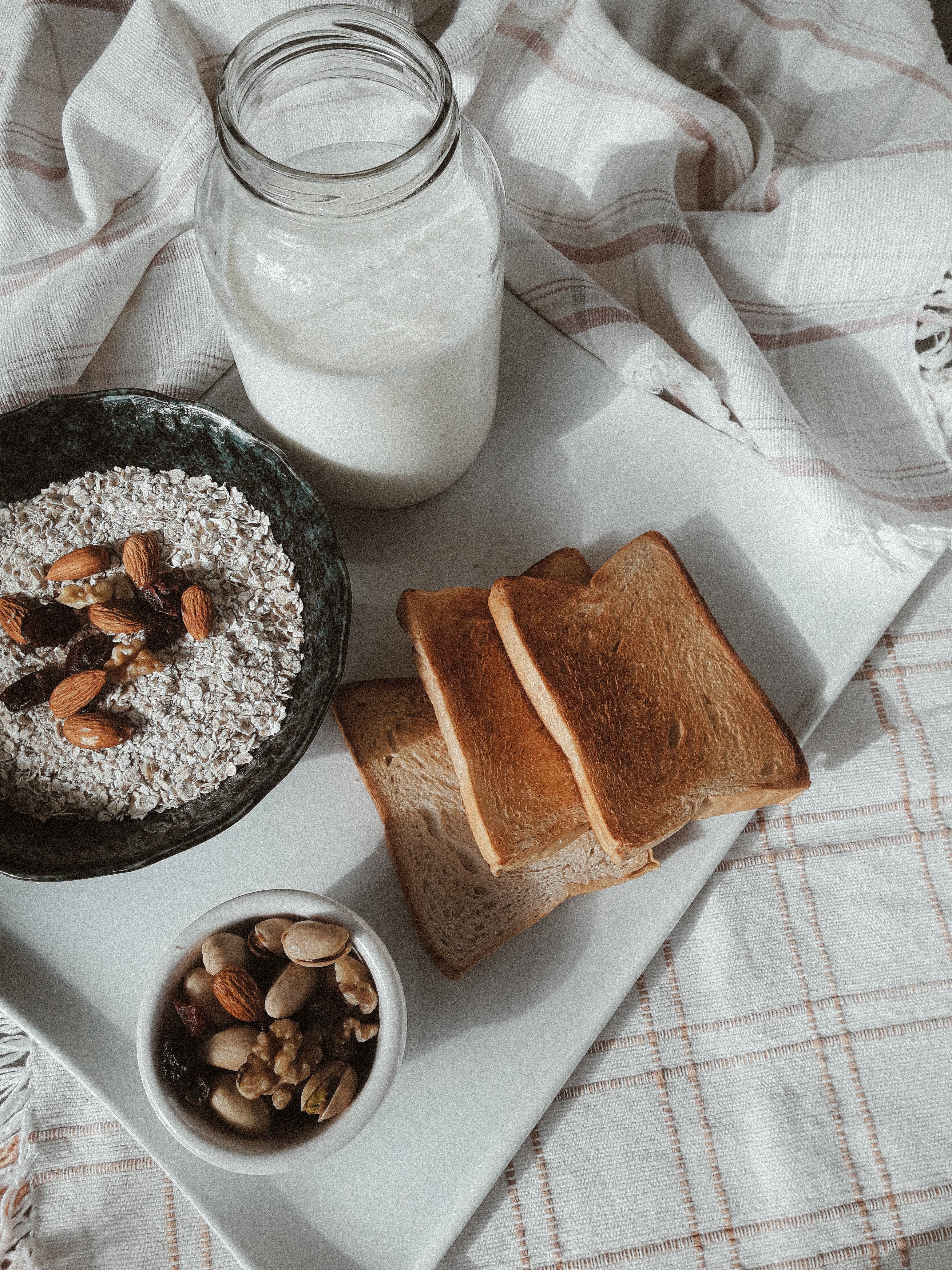
What is Talbinah? Benefits, Recipe & Nutrition Guide 2026

What is Talbinah - Traditional barley porridge with dates honey and milk
What is Talbinah? Traditional barley porridge prepared with milk, honey and dates.

What is Talbinah? Benefits, Recipe, Nutrition & Complete Guide

Talbinah is a traditional warm barley porridge made from finely ground barley flour cooked with milk or water and naturally sweetened with honey or dates. Known for centuries across Arabian and Middle Eastern cultures, Talbinah is valued as a nourishing comfort food because of its fiber, minerals, slow-release energy and gentle texture.

Today many people search for what is Talbinah?, Talbinah benefits, Talbinah recipe, Talbinah for weight gain, Talbinah for weight loss, and its connection with traditional wellness practices. This complete guide explains everything about this ancient barley-based food.

What is Talbinah?

Talbinah (also written as Talbina) is a creamy barley porridge prepared by slowly cooking barley flour until it becomes smooth and soft. The name comes from the Arabic word “Talbinah”, traditionally describing its milk-like appearance and comforting consistency.

Search Term Meaning
Talbinah in English Barley porridge or barley gruel
Talbinah meaning in Hindi जौ का दलिया (Jau Ka Daliya)
Main Ingredient Whole grain barley flour
Food Category Traditional healthy porridge

Talbinah Origin and Traditional History

Talbinah has its roots in Arabian food culture where barley was one of the most important grains because it was affordable, filling and nutritious. Over generations, Talbinah became popular across the Middle East, North Africa, Persia and South Asia.

In Islamic tradition, Talbinah is also known as a Sunnah food because historical narrations mention its use as a comforting meal. Today it continues to be enjoyed worldwide as a simple natural barley preparation.

What is Talbinah Made Of?

Traditional Talbinah requires only a few natural ingredients:

Ingredient Nutrition Benefit
Barley Flour Provides fiber, beta-glucan and minerals
Milk Adds protein and calcium
Honey Natural sweetness and flavor
Dates Natural energy, potassium and fiber
Nuts & Seeds Healthy fats and additional calories

Talbinah Nutrition Facts

The nutritional value of Talbinah depends on ingredients and serving size. A typical bowl prepared with barley and milk contains a balanced combination of carbohydrates, protein, fiber and minerals.

Nutrient Role in Body
Complex Carbohydrates Provides steady energy release
Beta-Glucan Fiber Supports digestion and fullness
Protein Supports body repair and maintenance
Magnesium Supports normal muscle and nerve function
B Vitamins Important for energy metabolism

Top Health Benefits of Talbinah

1. Talbinah Supports Digestive Health

Barley naturally contains dietary fiber, especially soluble beta-glucan fiber. This helps support healthy digestion and promotes a feeling of fullness after meals.

2. Provides Long Lasting Energy

Unlike refined carbohydrates, barley provides slow-digesting carbohydrates that release energy gradually. This makes Talbinah a popular breakfast choice.

3. Natural Comfort Food

Warm foods like Talbinah are traditionally valued because they are gentle, easy to consume and comforting, especially during recovery periods.

4. Supports Heart Friendly Eating

Whole grains such as barley are commonly included in balanced diets because of their fiber content.

Talbinah with Dates: Natural Energy Combination

One of the best ways to prepare Talbinah is by adding natural dates instead of refined sugar. Dates enhance taste while adding minerals and natural sweetness.

Popular combinations include:

  • Talbinah with Ajwa Dates
  • Talbinah with Medjool Dates
  • Talbinah with Sukkari Dates
  • Talbinah with Mazafati Dates

Dates and barley together create a traditional energy-rich meal suitable for breakfast, evening snacks or post-workout nutrition.

Talbinah for Weight Gain: Does Talbinah Increase Weight?

Many people ask: is Talbinah good for weight gain? The answer depends on how it is prepared and your overall daily calorie intake. Talbinah itself is a nutritious barley meal, but when combined with calorie-rich ingredients it can become a healthy weight-gain food.

For people trying to increase body weight naturally, Talbinah can be prepared with:

  • Full-fat milk for additional calories and protein
  • Premium quality dates for natural carbohydrates
  • Honey for sweetness and extra energy
  • Almonds, walnuts or other nuts for healthy fats
  • Seeds such as chia or flax seeds for additional nutrients

Talbinah Benefits for Weight Gain for Male

Men who require higher energy intake for active lifestyles, fitness goals or muscle-building diets may include Talbinah as a nutrient-rich meal. The combination of barley carbohydrates, milk protein and dates provides balanced nutrition.

Talbinah Benefits for Weight Gain for Female

For women looking for nourishing calorie sources, Talbinah prepared with milk, dates and nuts provides a combination of minerals, fiber and energy without depending on highly processed foods.

High-Calorie Talbinah Weight Gain Recipe

  • 3 tablespoons barley flour
  • 2 cups full-fat milk
  • 3 chopped dates
  • 1 tablespoon honey
  • 5 almonds
  • 2 walnuts
  • Small amount of cinnamon powder

This richer version creates a filling and energy-dense Talbinah recipe suitable for people who need additional calories.

Talbinah for Weight Loss: Can Talbinah Reduce Weight?

Talbinah can also fit into a weight-management diet when prepared differently. Since barley contains fiber, it may help increase fullness and reduce unnecessary snacking when eaten as part of a balanced meal plan.

For a lighter Talbinah recipe:

  • Use water or low-fat milk
  • Reduce added sweeteners
  • Control serving size
  • Add fruits instead of extra sugar

Remember that weight loss depends on total diet, lifestyle and calorie balance. Talbinah is a nutritious food choice but not a magic weight-loss solution.

How to Make Talbinah Recipe at Home

Making authentic homemade Talbinah is simple and requires only basic ingredients. This traditional barley porridge can be prepared fresh within minutes.

Talbinah Ingredients

  • ½ cup whole barley flour
  • 2 cups milk or water
  • 2–3 chopped dates
  • 1 tablespoon honey (optional)
  • Cinnamon powder (optional)
  • Nuts for topping

Step-by-Step Talbinah Preparation Method

  1. Warm the milk: Add milk or water into a cooking pot and heat gently.
  2. Add barley flour: Slowly mix barley flour while continuously stirring to avoid lumps.
  3. Cook slowly: Allow the mixture to simmer until it becomes smooth and creamy.
  4. Add natural sweetness: Mix chopped dates or honey according to taste.
  5. Serve warm: Top with nuts or cinnamon and enjoy fresh.

Best Time to Eat Talbinah

Talbinah can be enjoyed at different times depending on personal preference and nutrition goals.

Time Purpose
Morning Breakfast Slow energy release to start the day
After Exercise Restores energy with carbohydrates and protein
Evening Meal Warm and comforting light food option

Talbinah Powder Online: Buying Guide

Ready-made Talbinah powder is available online and in health stores. While buying Talbinah powder, always check quality and ingredients carefully.

How to Choose Good Talbinah Powder?

  • Choose 100% whole barley flour
  • Avoid unnecessary artificial additives
  • Prefer freshly packed products
  • Check manufacturing and expiry dates
  • Look for trusted suppliers

Talbinah vs Regular Barley Porridge

Talbinah Regular Barley Porridge
Traditionally made using fine barley flour Often made using whole or broken barley grains
Smooth creamy texture More grainy texture
Often combined with milk, honey or dates Ingredients vary by region
Connected with Arabian food tradition Common worldwide grain preparation

Frequently Asked Questions About Talbinah

1. What is Talbinah?

Talbinah is a traditional barley porridge prepared by cooking finely ground barley flour with milk or water. It is commonly enjoyed with natural ingredients such as honey, dates and nuts.

2. What is Talbinah made of?

Traditional Talbinah is made using barley flour, milk or water, and optional natural sweeteners such as honey or dates.

3. What is Talbinah called in English?

Talbinah is commonly called barley porridge or barley gruel in English.

4. What is Talbinah meaning in Hindi?

Talbinah meaning in Hindi is जौ का दलिया (Jau Ka Daliya), which means barley porridge.

5. Is Talbinah healthy?

Yes, Talbinah is considered a nutritious food because barley provides fiber, complex carbohydrates, vitamins and minerals when included in a balanced diet.

6. Can we eat Talbinah daily?

Many people include Talbinah as part of their regular diet. The ideal frequency depends on individual nutritional needs, lifestyle and overall food choices.

7. Is Talbinah good for weight gain?

Talbinah can support a weight-gain diet when prepared with higher calorie ingredients such as full-fat milk, dates, honey, seeds and nuts.

8. Does Talbinah increase weight?

Talbinah does not automatically increase body weight. Weight gain happens when total calorie intake is higher than calories burned. A rich Talbinah recipe can help increase calorie intake.

9. Is Talbinah good for weight loss?

Talbinah can be included in a weight-management plan because barley fiber helps create fullness. Portion size and total diet remain important.

10. What is the best time to eat Talbinah?

Talbinah can be eaten during breakfast, as an evening meal, or after exercise depending on personal health goals.

11. Can dates be added to Talbinah?

Yes, dates are one of the best natural ingredients to add to Talbinah. They provide sweetness, minerals, fiber and natural energy.

12. Which dates are best with Talbinah?

Popular choices include Ajwa dates, Medjool dates, Sukkari dates, Safawi dates and Mazafati dates depending on preferred taste and texture.

13. Is Talbinah good for digestion?

Barley contains dietary fiber which supports normal digestive function and helps maintain a healthy balanced diet.

14. Does Talbinah contain gluten?

Yes. Since Talbinah is made from barley, it naturally contains gluten and is not suitable for people who must avoid gluten.

15. Can children eat Talbinah?

Children who can safely consume barley and milk products may enjoy Talbinah as a nutritious meal option. Ingredients should be adjusted according to age and dietary needs.

16. Can elderly people eat Talbinah?

Talbinah's soft texture makes it an easy-to-eat food choice for many elderly people as part of a balanced diet.

17. Is Talbinah the same as oats?

No. Talbinah is made from barley, while oatmeal is made from oats. Both are whole grain foods but come from different grains.

18. Can Talbinah be made without milk?

Yes. Talbinah can be prepared with water or plant-based alternatives according to personal preference.

19. How long does Talbinah take to cook?

Most homemade Talbinah recipes take around 10–15 minutes depending on the quantity and texture required.

20. Why add honey to Talbinah?

Honey is traditionally added to improve sweetness and flavor. Dates can also be used as a natural sweetener alternative.

21. Can Talbinah be eaten cold?

Although traditionally served warm, some people consume chilled Talbinah preparations similar to overnight grain puddings.

22. Is Talbinah suitable after exercise?

Talbinah prepared with milk and dates provides carbohydrates and protein, making it a useful post-workout meal choice.

23. How many calories are in Talbinah?

Calories vary depending on preparation. A simple bowl may be lighter, while versions with full-fat milk, nuts and dates contain more calories.

24. Can Talbinah replace breakfast?

Yes, Talbinah can be used as a breakfast meal because it provides carbohydrates, fiber and nutrients from barley.

25. Why is Talbinah popular?

Talbinah remains popular because it combines traditional heritage, simple preparation and wholesome ingredients.

Final Thoughts: Why Try Talbinah?

Talbinah is more than a simple barley porridge. It represents a traditional food culture built around natural ingredients, simplicity and nourishment. Made with barley, milk, honey and dates, it offers a balanced combination of taste and nutrition.

Whether you are exploring Talbinah for energy, healthy weight gain recipes, traditional foods or natural breakfast ideas, this ancient barley dish remains a valuable addition to modern lifestyles.

About the Author

This guide is researched and published by Dates.Business, a dedicated information platform sharing knowledge about premium dates, traditional foods, nutrition, wholesale trade and global date fruit markets.

Editorial focus includes authentic food knowledge, ingredient research, market experience and practical consumer guidance.

Explore More Natural Foods, Dates & Nutrition Guides

Talbinah is traditionally enjoyed with natural ingredients like dates, honey and milk. If you are interested in healthy foods, premium dates and traditional nutrition, explore these expert guides from Dates.Business.

Editorial Experience & Food Research

This article is published by Dates.Business, a dedicated educational platform focused on date fruits, traditional foods, nutrition knowledge and global food trade information.

Our food guides are created with focus on practical experience, ingredient knowledge, traditional preparation methods and consumer education.

We continuously update our articles to provide readers with useful information about natural foods including dates, barley-based recipes, traditional drinks and healthy eating practices.

Share Your Talbinah Experience

Talbinah recipes vary across families and cultures. Some people enjoy simple barley and milk Talbinah, while others prepare rich versions with dates, honey, nuts and spices.

Try preparing your own Talbinah recipe with premium dates and natural ingredients to experience this traditional barley food in a modern healthy lifestyle.

DATES DEMYSTIFIED: A GUIDE TO TRUTH


Dates Debunking Myths and Unveiling Truths: A Comprehensive Guide

Debunking Myths and Unveiling Truths: A Comprehensive Guide to Dates

Dates, the deliciously sweet fruit of the date palm, have been a staple in the human diet for centuries. Beyond their delectable taste and versatility, dates have sparked a multitude of questions regarding their impact on various aspects of health. In this article, we embark on a journey to unravel the truths behind common myths and questions surrounding dates.


Do Dates Help Build Muscle?

"Dates are a natural source of energy, packed with essential nutrients such as potassium, magnesium, and protein. While they may not process directly building the muscles, they can provide the energy needed for rigorous workouts, aiding you in your fitness journey."


Do Dates Expire?

Yes, like any natural food, dates have a shelf life. Depending on their packaging and storage conditions, they can last from a few weeks to several months. It's important to check the packaging for expiration dates and follow proper storage guidelines to ensure their freshness.


Do Dates Cause Weight Gain?

Dates are energy-dense due to their natural sugar content, but they also offer fibre, which can help you feel full and satisfied. Consumed in moderation, dates are unlikely to cause weight gain. However, excessive consumption can contribute to an increase in calorie intake, potentially leading to weight gain.


Do Dates Aid in Weight Loss?

Interestingly, despite being calorically dense, dates can be part of a weight loss journey. Their fibre content promotes feelings of fullness, potentially reducing overall calorie intake. Additionally, dates can serve as a healthier alternative to processed sugars in various recipes, aiding those trying to manage their weight.


Do Dates Grow in India?


India, a land of diverse climates and landscapes, indeed cultivates dates. Particularly thriving in states with arid to semi-arid regions such as Rajasthan, Gujarat, and parts of Maharashtra, date palms find a suitable home. The warm climate and well-drained soil of these regions create the perfect setting for date cultivation.


Are Dates Beneficial for Bodybuilding?


Absolutely! Dates, packed with energy and essential nutrients, make a fantastic addition to a bodybuilder's diet. They serve as a powerhouse of carbohydrates, aiding in the replenishment of glycogen stores post-workout. Additionally, their rich mineral content, including potassium and magnesium, supports muscle function and growth. The natural sugars in dates provide an instant energy boost, making them an ideal pre-workout snack.


Are Dates Suitable During the First Trimester?


Expecting mothers often seek nutritional options that ensure a healthy pregnancy. Dates, being a great source of vital nutrients like iron, folate, and fibre, are indeed a valuable choice during the first trimester. Folate, crucial in preventing birth defects, is abundant in dates. Moreover, dates can help manage morning sickness and provide a natural sweetness to the diet without causing spikes in blood sugar levels.


Can Dates Aid in Digestion?


Absolutely! Dates are a natural solution to digestive woes. With their high fibre content, dates promote healthy bowel movements and alleviate constipation. The soluble and insoluble fibre aid in smooth digestion and maintain gut health. Additionally, dates contain natural enzymes that support efficient digestion and nutrient absorption. Including dates in your diet can contribute to a happy and healthy digestive system.


Are Dates Bad During Pregnancy?

Pregnancy is a delicate period, and dietary choices are critical. However, dates, when consumed in moderation, pose no harm during pregnancy. In fact, they are a nutrient-rich option for expecting mothers, offering essential vitamins, minerals, and fibre.


Are Dates Good During Pregnancy?

Dates can be a wonderful addition to a pregnant woman's diet. They are a natural source of energy, aiding in combating fatigue commonly experienced during pregnancy. Moreover, dates may facilitate easier labour by supporting cervical dilation and reducing the need for induced labour.


Are Dates Beneficial for Diabetes?

Dates, despite being sweet, have a low glycemic index and can be a part of a diabetic-friendly diet when consumed in moderation. They provide a slow release of energy, minimizing rapid blood sugar spikes. However, portion control and monitoring blood sugar levels are crucial for diabetics to incorporate dates into their meals.


Are Dates Good for Bodybuilding?

Dates can be a valuable component of a bodybuilder's diet. They are rich in natural sugars, offering a quick energy boost before workouts. Additionally, dates contain essential minerals like potassium, which aid in muscle function and prevent muscle cramps, making them a great post-workout snack.


1. Nutrient-Dense Profile: Dates are a compact package of essential nutrients, including fibre, potassium, magnesium, vitamin B-6, and iron. These nutrients support overall health during pregnancy, aiding in fetal development and preventing deficiencies.


2. Natural Energy Boost: The natural sugars present in dates provide an energy boost, combating fatigue and promoting vitality, which is especially crucial during the early stages of pregnancy when fatigue can be prevalent.


3. Digestive Health: Dates are rich in dietary fibre, facilitating digestion and alleviating common pregnancy discomforts like constipation. A healthy digestive system ensures a smooth journey through pregnancy.


Pregnancy

Now, let's delve into the specifics of Dates During Early Pregnancy. The early stages are pivotal in laying a strong foundation for a healthy pregnancy. 🌱👶


1. Folate Content: Dates are a good source of folate, a vital nutrient during early pregnancy that aids in preventing neural tube defects and supports the baby's brain and spinal cord development.


2. Morning Sickness Relief: Dates can be a gentle remedy for morning sickness due to their natural sugars and soothing properties, providing relief during this sensitive phase.


Diabetes

Shifting gears, let's explore the relationship between Dates and Diabetes, a topic of concern for many. 🍽️💉


1. Low Glycemic Index: Dates have a low glycemic index (GI), which means they have a slow and steady impact on blood sugar levels. This can be beneficial for individuals with diabetes when consumed in moderation and as part of a balanced diet.


2. High Fiber Content: The fibre in dates can aid in better blood sugar control by slowing down the absorption of sugars, making them a potential option for those managing diabetes.


In conclusion, "Debunking Myths and Unveiling Truths: A Comprehensive Guide to Dates" has unravelled the mysteries surrounding this delightful fruit. We've traversed through misconceptions, delved into nutritional truths, and explored the myriad varieties of dates.


Through this enlightening journey, we've uncovered the genuine health benefits and cultural significance that dates hold. From debunking calorie myths to exploring the rich history of dates, we've endeavoured to provide clarity and knowledge.


Remember, the date fruit isn't just a delicious natural sweetener—it's a powerhouse of nutrients, embodying centuries of tradition and goodness. Let this guide empower you to make informed choices, embrace the truth, and enjoy the myriad flavours and benefits that dates bring to your table.


So, next time you savour a date, you can relish not only its taste but also the assurance that you're indulging in a fruit steeped in history, culture, and undisputed health advantages. Here's to the wonderful world of dates, where taste meets truth in a delectable union! 🌿🌟


15 Proven Health Benefits of Dates: Nutrition & Wellness Guide


15 proven health benefits of dates including nutrition, antioxidants, heart health, digestion, immunity, and natural energy
Dates: Nature's sweet superfood for health and wellness.

15 Proven Health Benefits of Dates (2026 Ultimate Guide to Nutrition, Health, Science & Longevity)

Updated June 2026 | Scientifically Reviewed | Complete Nutrition & Wellness Guide

Discover the science-backed health benefits of dates, nutrition facts, antioxidants, best date varieties, and how this ancient superfruit can support heart health, digestion, immunity, energy, and overall wellness.


Quick Answers: Top Health Benefits of Dates

If you only have one minute, here are the most important reasons dates are considered one of the healthiest fruits in the world:

✓ Rich in dietary fiber

✓ High in antioxidants

✓ Supports digestive health

✓ Promotes heart health

✓ Helps regulate blood pressure

✓ Provides natural energy

✓ Supports brain function

✓ Contains essential vitamins and minerals

✓ Helps maintain healthy bones

✓ May support healthy blood sugar management

✓ Excellent alternative to refined sugar

✓ Supports immune function

✓ May support healthy pregnancy

✓ Helps combat oxidative stress

✓ Contributes to overall wellness and longevity


Table of Contents

Introduction

  1. What Are Dates?

  2. Why Dates Are Called Nature's Superfood

  3. History and Origin of Date Fruits

  4. Global Importance of Dates

Nutrition Facts & Nutritional Profile

  1. Complete Nutrition Facts of Dates

  2. Calories in Dates

  3. Carbohydrates in Dates

  4. Protein, Fat and Fiber Content

  5. Vitamins Found in Dates

  6. Essential Minerals in Dates

  7. Antioxidants in Dates

  8. Glycemic Index of Dates

15 Science-Backed Health Benefits of Dates

  1. Rich in Disease-Fighting Antioxidants

  2. Supports Digestive Health

  3. Helps Relieve Constipation Naturally

  4. Supports Heart Health

  5. Helps Regulate Blood Pressure

  6. Supports Brain Function

  7. Natural Energy Booster

  8. Supports Healthy Bones

  9. May Improve Blood Sugar Management

  10. Supports Healthy Pregnancy

  11. Helps Combat Anemia

  12. Strengthens the Immune System

  13. Supports Kidney Health

  14. Promotes Healthy Skin

  15. Supports Hair Health

Dates for Specific Health Goals

  1. Are Dates Good for Weight Loss?

  2. Are Dates Good for Diabetes?

  3. Dates for Pregnancy and Labor

  4. Dates for Fertility

  5. Dates for Athletes and Fitness

  6. Dates for Children

  7. Dates for Seniors

  8. Dates for Gut Health

  9. Dates for Healthy Aging

Best Types of Dates and Their Benefits

  1. Ajwa Dates Benefits

  2. Medjool Dates Benefits

  3. Sukkari Dates Benefits

  4. Mazafati Dates Benefits

  5. Safawi Dates Benefits

  6. Mabroom Dates Benefits

  7. Khudri Dates Benefits

  8. Piarom Dates Benefits

  9. Kimia Dates Benefits

  10. Zahidi Dates Benefits

Dates Comparison Guides

  1. Dates vs Sugar

  2. Dates vs Honey

  3. Dates vs Jaggery

  4. Dates vs Raisins

  5. Dates vs Figs

  6. Dates vs Prunes

  7. Dates vs Bananas

Buying, Storage & Consumption Guide

  1. How Many Dates Should You Eat Daily?

  2. Best Time to Eat Dates

  3. How to Store Dates Properly

  4. How to Identify Premium Quality Dates

  5. Possible Side Effects of Dates

  6. Who Should Limit Date Consumption?

Global Date Industry & Statistics

  1. Global Date Production Statistics

  2. Top Date Producing Countries

  3. Global Date Export Market

  4. Date Industry Trends and Forecasts

  5. Future of the Global Dates Industry

Frequently Asked Questions

Scientific References

About the Author


What Are Dates?

Dates are the sweet edible fruits produced by the date palm tree (Phoenix dactylifera), one of the oldest cultivated fruit trees in human history. For thousands of years, dates have served as a staple food throughout the Middle East, North Africa, and parts of Asia due to their exceptional nutritional value, long shelf life, and natural sweetness.

Today, dates are consumed by millions of people worldwide and are increasingly recognized as a functional food because of their impressive combination of fiber, antioxidants, vitamins, minerals, and naturally occurring sugars.

Unlike processed sugary snacks that provide calories with little nutritional value, dates offer a concentrated source of essential nutrients that support overall health and wellness.

Date palms thrive in hot, dry climates and produce clusters of nutrient-rich fruits that develop through several stages of ripening before reaching maturity.

The primary stages of date development include:

Kimri Stage

The immature green stage characterized by low sugar content and high moisture.

Khalal Stage

A crunchy stage where dates begin developing sweetness.

Rutab Stage

A soft, partially ripened stage with increased sugar content and moisture.

Tamar Stage

The fully mature stage commonly sold worldwide, featuring maximum sweetness and extended shelf life.

Most commercial dates available in supermarkets and wholesale markets are harvested during the Tamar stage.


Why Dates Are Called Nature's Superfood

The term "superfood" is often overused in modern nutrition marketing, but dates genuinely deserve special recognition because of their unique nutritional composition.

Dates provide a remarkable combination of:

  • Natural energy

  • Dietary fiber

  • Potassium

  • Magnesium

  • Calcium

  • Iron

  • Copper

  • Vitamin B6

  • Antioxidants

  • Polyphenols

Very few foods naturally combine all these nutrients in a convenient, shelf-stable fruit.

Historically, travelers crossing deserts often survived for extended periods with dates as a primary food source because they supplied both calories and critical nutrients.

Modern nutritional science now confirms many of the traditional health claims associated with date consumption.

Researchers continue to study dates for their potential role in:

  • Cardiovascular health

  • Digestive health

  • Blood sugar management

  • Brain function

  • Immune support

  • Healthy aging

This combination of traditional use and scientific interest has positioned dates among the world's most respected functional foods.


History and Origin of Date Fruits

Dates have been cultivated for more than 6,000 years and are believed to have originated in the regions surrounding the Persian Gulf and Mesopotamia.

Ancient civilizations including the Egyptians, Babylonians, Assyrians, and Romans relied heavily on dates for nutrition and trade.

Throughout history, dates have been valued for:

  • Their exceptional shelf life

  • High nutritional density

  • Ease of transportation

  • Religious significance

  • Economic importance

Date palms became symbols of prosperity and survival across many cultures.

Today, the date industry represents a multi-billion-dollar global market that continues to grow as consumer awareness of healthy foods increases.


Global Importance of Dates

Dates are now cultivated in more than 40 countries.

Major producing nations include:

  • Saudi Arabia

  • Iran

  • Egypt

  • Algeria

  • Tunisia

  • United Arab Emirates

  • Iraq

  • Pakistan

  • Morocco

  • India

These countries collectively produce millions of tons of dates annually, supplying domestic markets and international trade networks.

Global demand for premium varieties such as Ajwa, Medjool, Sukkari, Mazafati, Safawi, Mabroom, and Piarom continues to increase due to growing consumer interest in natural foods and healthier sweetening alternatives.

As health-conscious consumers seek nutrient-dense foods with minimal processing, dates have become increasingly popular among athletes, nutritionists, families, and wellness enthusiasts worldwide.


Complete Nutrition Facts of Dates

Understanding the nutritional composition of dates helps explain why they provide so many potential health benefits.

Nutrition Facts Per 100 Grams of Dates

NutrientApproximate Amount
Calories277–300 kcal
Carbohydrates75 g
Dietary Fiber7–8 g
Protein2 g
Total Fat0.2 g
Potassium656 mg
Magnesium54 mg
Calcium64 mg
Iron0.9 mg
Copper0.4 mg
Manganese0.3 mg
Vitamin B60.2 mg

These nutrients contribute to numerous biological functions including energy production, cardiovascular health, nervous system function, digestive wellness, and immune support.


Calories in Dates

One of the most common questions consumers ask is:

"How many calories are in dates?"

The answer depends on the variety and size.

Approximate calories per date:

Date VarietyCalories Per Date
Medjool Date60–70
Ajwa Date20–25
Sukkari Date25–30
Mazafati Date20–25
Safawi Date20–30

Although dates contain natural sugars and calories, they also provide fiber and nutrients that make them significantly more beneficial than refined sugary snacks.

Many nutrition experts recommend dates as a healthier alternative to candies, pastries, and processed desserts.


Carbohydrates in Dates

Carbohydrates are the primary source of energy in dates.

The natural sugars found in dates include:

  • Glucose

  • Fructose

  • Sucrose

These sugars provide rapid yet sustained energy, making dates popular among athletes, students, professionals, and individuals seeking a healthy energy boost.

Unlike refined sugar products, dates also contain fiber, which slows digestion and supports more stable blood sugar responses.


Protein, Fat and Fiber Content in Dates

While dates are primarily known for their natural sweetness, they also provide an impressive nutritional package that extends beyond carbohydrates.

Understanding the balance of fiber, protein, and fat helps explain why dates are more satisfying and nutritionally valuable than many processed snacks.

Dietary Fiber in Dates

Dietary fiber is one of the most important nutrients found in dates.

A 100-gram serving typically provides approximately 7–8 grams of fiber, representing a significant contribution toward daily fiber requirements.

Fiber plays several important roles in the body:

  • Supports regular bowel movements

  • Promotes digestive health

  • Helps maintain feelings of fullness

  • Supports healthy cholesterol levels

  • Slows digestion of carbohydrates

  • Helps maintain stable energy levels

Many people worldwide fail to consume adequate fiber, making dates an easy and delicious way to improve overall dietary quality.

Soluble and Insoluble Fiber

Dates contain both soluble and insoluble fiber.

Soluble Fiber

Soluble fiber absorbs water and forms a gel-like substance within the digestive tract.

Benefits include:

  • Slower digestion

  • Improved satiety

  • Better blood sugar control

  • Support for beneficial gut bacteria

Insoluble Fiber

Insoluble fiber adds bulk to stool and helps maintain digestive regularity.

Benefits include:

  • Improved bowel function

  • Reduced constipation

  • Enhanced digestive efficiency

This combination makes dates particularly beneficial for digestive wellness.


Protein in Dates

Dates are not considered a high-protein food, but they still contribute small amounts of plant-based protein.

A 100-gram serving typically contains approximately 2 grams of protein.

Protein supports:

  • Muscle maintenance

  • Tissue repair

  • Immune function

  • Hormone production

  • Enzyme activity

Although dates should not be relied upon as a primary protein source, pairing them with nuts, yogurt, milk, or nut butter can create a more balanced snack.

Popular combinations include:

  • Dates with almonds

  • Dates with walnuts

  • Dates stuffed with peanut butter

  • Dates with Greek yogurt

  • Dates blended into protein smoothies


Fat Content in Dates

Dates contain very little fat.

A typical serving provides less than 0.5 grams of fat.

This makes dates:

  • Naturally cholesterol-free

  • Low in saturated fat

  • Suitable for heart-conscious diets

Their low-fat profile combined with their nutrient density contributes to their popularity among health-conscious consumers.


Vitamins Found in Dates

Dates provide several important vitamins that support overall health and wellness.

Although they are not as vitamin-rich as certain fruits and vegetables, they still contribute valuable micronutrients.

Vitamin B6

Vitamin B6 is one of the most significant vitamins found in dates.

Benefits include:

  • Brain development

  • Nervous system function

  • Mood regulation

  • Protein metabolism

  • Red blood cell production

Adequate vitamin B6 intake supports both cognitive and physical health.


Folate

Dates contain small amounts of folate.

Folate plays a role in:

  • DNA synthesis

  • Cell division

  • Pregnancy support

  • Fetal development

This contributes to the popularity of dates among pregnant women in many cultures.


Vitamin K

Small amounts of Vitamin K are naturally present in dates.

Vitamin K supports:

  • Blood clotting

  • Bone metabolism

  • Cardiovascular health


Essential Minerals in Dates

One of the greatest nutritional strengths of dates is their impressive mineral content.

Minerals are essential for hundreds of biological processes that occur every day.


Potassium

Potassium is the most abundant mineral found in dates.

A 100-gram serving can provide approximately 656 mg of potassium.

Potassium supports:

  • Healthy blood pressure

  • Heart function

  • Muscle contractions

  • Fluid balance

  • Nerve signaling

Many individuals consume too much sodium and not enough potassium, making potassium-rich foods increasingly important.


Magnesium

Magnesium participates in more than 300 enzymatic reactions throughout the body.

Benefits include:

  • Bone strength

  • Muscle function

  • Energy production

  • Nervous system support

  • Blood sugar regulation

Dates contribute meaningful amounts of magnesium to the diet.


Calcium

Calcium is best known for supporting:

  • Strong bones

  • Healthy teeth

  • Muscle contractions

  • Nervous system function

Although dairy products remain major calcium sources, dates can contribute additional calcium intake.


Iron

Iron is essential for:

  • Oxygen transport

  • Energy production

  • Red blood cell formation

Individuals seeking plant-based iron sources often include dates as part of a balanced diet.


Copper

Copper is a trace mineral that plays an important role in:

  • Iron absorption

  • Collagen formation

  • Immune support

  • Energy metabolism

Dates are surprisingly rich in copper compared with many fruits.


Antioxidants in Dates

One of the most exciting areas of modern nutritional research involves antioxidants.

Antioxidants are compounds that help protect the body's cells from oxidative stress.

Oxidative stress occurs when free radicals accumulate faster than the body can neutralize them.

Over time, oxidative stress has been linked to:

  • Aging

  • Cardiovascular disease

  • Chronic inflammation

  • Cognitive decline

  • Certain cancers

Dates contain some of the highest antioxidant levels among commonly consumed dried fruits.


Major Antioxidants Found in Dates

Flavonoids

Flavonoids are plant compounds known for their anti-inflammatory and antioxidant properties.

Researchers have studied flavonoids for their potential role in supporting:

  • Heart health

  • Brain health

  • Healthy aging

  • Immune function


Carotenoids

Carotenoids contribute to:

  • Eye health

  • Immune function

  • Cellular protection

These compounds are also found in carrots, pumpkins, and other colorful fruits and vegetables.


Phenolic Acids

Phenolic acids are powerful antioxidant compounds associated with:

  • Reduced oxidative damage

  • Support for cardiovascular health

  • Healthy inflammatory responses

The presence of these compounds helps explain many of the potential health benefits associated with date consumption.


Health Benefit #1: Dates Are Exceptionally Rich in Disease-Fighting Antioxidants

Among dried fruits, dates stand out for their remarkable antioxidant concentration.

Antioxidants help neutralize free radicals before they can damage cells and tissues.

This protective activity may contribute to long-term wellness and healthy aging.

Why Antioxidants Matter

Every day, the human body is exposed to sources of oxidative stress, including:

  • Environmental pollution

  • Tobacco smoke

  • Poor diet

  • Chronic stress

  • Natural metabolic processes

Over time, excessive oxidative stress may contribute to numerous health problems.

Antioxidants act as a defense system that helps protect cells against this damage.


How Dates Compare to Other Sweet Foods

Unlike refined sugar, which provides calories without meaningful nutrients, dates deliver:

✓ Antioxidants

✓ Fiber

✓ Vitamins

✓ Minerals

✓ Natural energy

This makes dates one of the healthiest naturally sweet foods available.


Potential Benefits of Date Antioxidants

Research suggests that antioxidant-rich diets may support:

  • Cardiovascular health

  • Cognitive function

  • Healthy immune responses

  • Cellular protection

  • Healthy aging

While no single food can prevent disease, regularly consuming antioxidant-rich foods such as dates may contribute to overall wellness.


Health Benefit #2: Dates Support Excellent Digestive Health

Digestive health is one of the most widely recognized benefits of dates.

For centuries, traditional cultures have used dates to support healthy digestion and bowel regularity.

Modern nutrition science now provides several explanations for these effects.

How Dates Support Digestion

The primary reason dates benefit digestion is their high fiber content.

Fiber helps:

  • Increase stool bulk

  • Promote regular bowel movements

  • Support beneficial gut bacteria

  • Improve digestive efficiency

  • Reduce occasional constipation

The fiber found in dates acts as a natural digestive support system.


Dates and Gut Microbiome Health

Trillions of microorganisms live inside the human digestive tract.

Collectively, these organisms form the gut microbiome.

A healthy microbiome is associated with:

  • Better digestion

  • Stronger immunity

  • Improved nutrient absorption

  • Enhanced overall health

Fiber serves as food for beneficial gut bacteria.

Because dates are rich in fiber, they may help support a healthier microbial environment.


Natural Support for Regularity

Individuals struggling with occasional constipation often benefit from increasing dietary fiber intake.

Dates can help by:

  • Softening stool

  • Increasing stool volume

  • Encouraging regular bowel movements

Combined with adequate hydration, dates can be a useful addition to a digestive-friendly diet.


Health Benefit #3: Dates Help Relieve Constipation Naturally

Constipation is one of the most common digestive complaints worldwide. Factors such as low fiber intake, dehydration, sedentary lifestyles, stress, and poor dietary habits can contribute to irregular bowel movements.

Dates have long been used as a natural remedy for constipation because of their exceptional fiber content and digestive-supporting properties.

How Dates Help Relieve Constipation

The fiber found in dates helps:

  • Increase stool bulk

  • Improve stool consistency

  • Promote regular bowel movements

  • Support healthy intestinal movement

  • Encourage digestive comfort

When consumed regularly as part of a balanced diet, dates can help maintain healthy digestive function.

Traditional Use of Dates for Digestive Wellness

For centuries, dates have been consumed soaked in water overnight and eaten in the morning to support digestion.

Many traditional health systems regard dates as a natural digestive aid due to their gentle action on the gastrointestinal tract.

Best Ways to Use Dates for Digestive Health

  • Eat 2–4 dates daily

  • Consume with adequate water

  • Combine with fiber-rich foods

  • Include dates in breakfast meals

  • Blend into smoothies

Consistency is often more important than quantity.


Health Benefit #4: Dates Support Heart Health

Heart disease remains one of the leading causes of death worldwide.

Diet plays a critical role in maintaining cardiovascular health, and dates contain several nutrients that support normal heart function.

Why Dates Are Good for the Heart

Dates provide:

  • Potassium

  • Magnesium

  • Fiber

  • Antioxidants

  • Polyphenols

These nutrients work together to support cardiovascular wellness.


Potassium Supports Healthy Heart Function

Potassium helps maintain normal:

  • Heart rhythm

  • Blood pressure

  • Fluid balance

  • Muscle contractions

Adequate potassium intake is associated with healthier cardiovascular function.

Dates are among the richest natural fruit sources of potassium.


Fiber Supports Cholesterol Management

Fiber may help support healthy cholesterol levels by influencing how cholesterol is processed within the digestive system.

Higher fiber intake is consistently associated with improved cardiovascular health.

Because dates provide significant dietary fiber, they can contribute positively to heart-friendly eating patterns.


Antioxidants Protect Blood Vessels

Oxidative stress may contribute to damage within blood vessels over time.

The antioxidant compounds found in dates may help support:

  • Cellular protection

  • Healthy circulation

  • Vascular function

This is one reason why dates are increasingly included in heart-conscious diets.


Dates and Cardiovascular Wellness

A heart-friendly lifestyle includes:

  • Regular physical activity

  • Adequate sleep

  • Stress management

  • Balanced nutrition

Dates can be part of this broader approach to cardiovascular health.


Health Benefit #5: Dates Help Regulate Blood Pressure

Blood pressure regulation depends on numerous factors, including sodium intake, potassium intake, body weight, activity levels, and overall dietary quality.

One of the most important nutrients involved in healthy blood pressure regulation is potassium.

Why Potassium Matters

Potassium helps counterbalance the effects of excess sodium.

Benefits include:

  • Supporting fluid balance

  • Assisting nerve function

  • Promoting healthy muscle contractions

  • Supporting normal blood pressure

Many diets contain excessive sodium but insufficient potassium.

Dates help improve this nutritional balance.


Magnesium and Blood Pressure Support

In addition to potassium, dates contain magnesium.

Magnesium supports:

  • Blood vessel relaxation

  • Nervous system function

  • Muscle performance

  • Cardiovascular health

Together, potassium and magnesium make dates a valuable addition to blood pressure-conscious diets.


A Smarter Sweet Choice

Many sweet snacks contain:

  • Refined sugar

  • Excess sodium

  • Artificial ingredients

Dates provide sweetness while also delivering beneficial nutrients that support overall wellness.


Health Benefit #6: Dates Support Brain Function

The brain requires a constant supply of nutrients to perform efficiently.

Several compounds found in dates contribute to cognitive health and neurological function.

Nutrients in Dates That Support the Brain

Key brain-supporting nutrients include:

  • Vitamin B6

  • Potassium

  • Magnesium

  • Antioxidants

  • Polyphenols

These nutrients participate in processes related to memory, concentration, communication between nerve cells, and overall brain performance.


Antioxidants and Cognitive Health

The brain is highly vulnerable to oxidative stress because it consumes large amounts of oxygen.

Antioxidants help protect brain cells from damage caused by free radicals.

This protection may support:

  • Cognitive performance

  • Healthy aging

  • Memory function

  • Mental clarity

Researchers continue investigating the relationship between antioxidant-rich foods and long-term brain health.


Vitamin B6 and Neurotransmitters

Vitamin B6 plays an important role in producing neurotransmitters.

Neurotransmitters help regulate:

  • Mood

  • Memory

  • Sleep

  • Cognitive performance

Adequate intake supports normal brain function throughout life.


Dates as a Brain-Friendly Snack

Unlike sugary processed snacks that may cause rapid energy crashes, dates provide:

  • Natural sugars

  • Fiber

  • Minerals

  • Antioxidants

This combination can support sustained energy and mental performance.


Health Benefit #7: Dates Are a Natural Energy Booster

One of the reasons athletes, travelers, and physically active individuals consume dates is their ability to provide quick and convenient energy.

Why Dates Provide Energy

Dates naturally contain:

  • Glucose

  • Fructose

  • Sucrose

These carbohydrates are easily utilized by the body as fuel.

Unlike highly processed energy products, dates deliver energy alongside important nutrients.


Ideal Pre-Workout Snack

Many athletes consume dates before exercise because they provide:

  • Fast energy

  • Easy digestion

  • Portable nutrition

  • Natural sweetness

Common combinations include:

  • Dates and almonds

  • Dates and peanut butter

  • Dates and yogurt

  • Dates and milk

These combinations create balanced energy sources.


Post-Workout Recovery

Following exercise, the body needs carbohydrates to replenish energy stores.

Dates can help support recovery by supplying:

  • Natural carbohydrates

  • Potassium

  • Magnesium

  • Antioxidants

This makes them popular among runners, cyclists, gym enthusiasts, and endurance athletes.


Natural Alternative to Processed Energy Bars

Many commercial energy bars contain:

  • Added sugars

  • Artificial ingredients

  • Preservatives

Dates offer a whole-food alternative that is naturally nutrient-dense.


Health Benefit #8: Dates Support Healthy Bones

Bone health becomes increasingly important with age.

Strong bones depend on adequate nutrition throughout life.

Dates contain several nutrients that contribute to skeletal health.


Calcium in Dates

Calcium is essential for:

  • Bone strength

  • Tooth health

  • Muscle contractions

  • Nerve function

Although dates are not the richest calcium source, they contribute valuable amounts to overall intake.


Magnesium and Bone Formation

Magnesium plays a critical role in bone structure.

It helps:

  • Maintain bone density

  • Support calcium metabolism

  • Assist muscle function

Adequate magnesium intake is associated with healthier bones.


Phosphorus and Bone Health

Dates contain phosphorus, another mineral involved in:

  • Bone formation

  • Tooth development

  • Cellular function

The combination of calcium, magnesium, and phosphorus makes dates a supportive food for skeletal wellness.


Copper and Bone Maintenance

Copper contributes to:

  • Connective tissue formation

  • Collagen production

  • Bone maintenance

Dates provide meaningful amounts of copper compared with many other fruits.


Building a Bone-Friendly Diet

Strong bones require a combination of:

  • Calcium-rich foods

  • Magnesium-rich foods

  • Physical activity

  • Vitamin D

  • Adequate protein

Dates can be part of a comprehensive strategy for lifelong bone health.


Health Benefit #9: Dates May Support Healthy Blood Sugar Management

One of the most misunderstood aspects of dates is their natural sugar content.

Many people assume dates automatically cause unhealthy blood sugar spikes because they taste sweet.

The reality is more nuanced.

Understanding Natural Sugars in Dates

Dates contain naturally occurring sugars, including:

  • Glucose

  • Fructose

  • Sucrose

However, dates also contain:

  • Fiber

  • Minerals

  • Antioxidants

The fiber slows digestion and helps moderate how quickly sugars enter the bloodstream.


Glycemic Index of Dates

Several date varieties have demonstrated relatively low to moderate glycemic index values.

This means they may have a smaller impact on blood sugar compared with highly refined sugary foods.

Moderation remains important, especially for individuals managing diabetes.


Health Benefit #10: Dates Support Healthy Pregnancy

Pregnancy is a period of increased nutritional demands, and consuming nutrient-rich foods becomes especially important for both maternal and fetal health.

Dates have traditionally been consumed during pregnancy in many cultures and continue to attract scientific interest because of their unique nutritional profile.

Nutrients in Dates That Support Pregnancy

Dates contain several nutrients that may be beneficial during pregnancy, including:

  • Fiber

  • Potassium

  • Magnesium

  • Iron

  • Copper

  • Vitamin B6

  • Natural carbohydrates

These nutrients contribute to overall maternal wellness and healthy fetal development.


Dates and Digestive Comfort During Pregnancy

Constipation is a common challenge during pregnancy.

The fiber content of dates may help support:

  • Regular bowel movements

  • Improved digestive comfort

  • Healthy gut function

Many pregnant women incorporate dates into their diets as part of a fiber-rich eating plan.


Dates as a Natural Energy Source

Pregnancy often increases energy requirements.

Dates provide:

  • Natural carbohydrates

  • Essential minerals

  • Easily accessible calories

This makes them a convenient and nutritious snack option.


Dates and Late Pregnancy

Several studies have explored date consumption during the final weeks of pregnancy.

Researchers continue investigating potential relationships between date consumption and labor outcomes.

While promising findings exist, pregnant women should always follow the guidance of qualified healthcare professionals.


Health Benefit #11: Dates Help Combat Anemia

Anemia affects millions of people worldwide and is often associated with inadequate iron intake.

Although dates are not the richest source of iron available, they contribute nutrients that support healthy red blood cell production.

Iron Content in Dates

Iron plays a critical role in:

  • Oxygen transport

  • Energy production

  • Red blood cell formation

  • Physical performance

Adequate iron intake is essential for maintaining energy and vitality.


Copper Supports Iron Utilization

Dates are also rich in copper.

Copper helps the body:

  • Absorb iron

  • Utilize stored iron

  • Produce healthy blood cells

The combination of iron and copper enhances the nutritional value of dates.


Dates in Iron-Rich Diets

Dates work best when combined with other iron-rich foods such as:

  • Lean meats

  • Legumes

  • Spinach

  • Lentils

  • Fortified cereals

Together, these foods can contribute to healthier iron status.


Health Benefit #12: Dates Strengthen the Immune System

A healthy immune system depends on adequate nutrition, quality sleep, physical activity, and stress management.

Dates contribute several nutrients that support immune function.

Antioxidants and Immunity

The antioxidants found in dates help protect cells from oxidative stress.

This cellular protection supports:

  • Immune system function

  • Healthy inflammatory responses

  • Overall wellness


Essential Minerals for Immune Health

Dates provide:

  • Copper

  • Magnesium

  • Potassium

  • Iron

These minerals participate in various biological processes that contribute to normal immune function.


Supporting Long-Term Wellness

No single food can prevent illness, but nutrient-dense foods like dates can support overall health when included in a balanced diet.

Regular consumption of fruits, vegetables, whole grains, and nutrient-rich foods remains the foundation of healthy immune function.


Health Benefit #13: Dates Support Kidney Health

The kidneys perform essential functions including:

  • Filtering waste

  • Regulating fluid balance

  • Maintaining electrolyte levels

  • Supporting blood pressure regulation

Nutrition plays a major role in supporting kidney health.

Antioxidants and Kidney Function

The antioxidant compounds found in dates may help protect cells from oxidative damage.

Researchers continue exploring how antioxidant-rich foods may contribute to long-term organ health.


Potassium Considerations

Dates are naturally rich in potassium.

For most healthy individuals, potassium is beneficial.

However, individuals with kidney disease should consult healthcare professionals regarding potassium intake because their requirements may differ.


Dates as Part of a Healthy Lifestyle

Kidney health is best supported through:

  • Proper hydration

  • Balanced nutrition

  • Physical activity

  • Blood pressure management

  • Blood sugar control

Dates can contribute positively when consumed appropriately within a balanced diet.


Health Benefit #14: Dates Promote Healthy Skin

Healthy skin reflects both external care and internal nutrition.

Dates contain several nutrients associated with skin health.

Antioxidants and Skin Protection

Oxidative stress may contribute to:

  • Premature aging

  • Loss of skin elasticity

  • Environmental damage

Antioxidants help support cellular protection and healthy aging.


Copper and Collagen Production

Copper plays a role in collagen formation.

Collagen contributes to:

  • Skin structure

  • Elasticity

  • Tissue repair

Because dates contain copper, they contribute nutrients involved in maintaining healthy skin.


Hydration and Nutrition

While dates alone cannot transform skin health, they can contribute beneficial nutrients within a broader healthy lifestyle that includes:

  • Adequate hydration

  • Balanced nutrition

  • Sleep

  • Sun protection


Health Benefit #15: Dates Support Hair Health

Hair growth and maintenance depend on numerous nutritional factors.

Dates contain several nutrients involved in healthy hair function.

Iron and Hair Health

Iron contributes to oxygen delivery throughout the body.

Healthy oxygen transport supports:

  • Hair follicles

  • Tissue function

  • Cellular activity

Iron deficiency is sometimes associated with hair-related concerns.


Antioxidants and Hair Follicles

Oxidative stress may affect hair health over time.

The antioxidant compounds found in dates help support cellular protection.


Nutritional Support for Strong Hair

Dates provide:

  • Iron

  • Copper

  • Magnesium

  • Potassium

  • Antioxidants

These nutrients contribute to overall nutritional status, which influences hair health.


Are Dates Good for Weight Loss?

One of the most frequently searched questions online is:

Can dates help with weight loss?

The answer depends largely on portion size, total calorie intake, and overall dietary habits.

Why Dates Can Support Weight Management

Despite their sweetness, dates contain substantial fiber.

Fiber helps:

  • Promote fullness

  • Reduce hunger

  • Slow digestion

  • Support appetite control

This can help reduce cravings for less nutritious snacks.


Replacing Processed Sweets

Many people successfully use dates to replace:

  • Candy

  • Chocolate bars

  • Pastries

  • Cookies

  • Sugary desserts

This substitution often improves overall dietary quality.


Portion Awareness Matters

Dates are calorie-dense.

A moderate serving typically consists of:

  • 2–4 Medjool dates

  • 3–5 smaller dates

Weight management ultimately depends on overall calorie balance.


Are Dates Good for Diabetes?

Dates are naturally sweet, leading many people with diabetes to question whether they can safely consume them.

Understanding the Glycemic Response

Dates contain natural sugars but also provide:

  • Fiber

  • Potassium

  • Magnesium

  • Antioxidants

The fiber helps slow sugar absorption.


Moderation Is Key

Many healthcare professionals recommend:

  • Small portions

  • Monitoring blood glucose responses

  • Pairing dates with protein or healthy fats

Examples include:

  • Dates and almonds

  • Dates and walnuts

  • Dates and peanut butter

This combination may help reduce rapid blood sugar fluctuations.


Individual Responses Vary

People with diabetes should consult healthcare professionals for personalized dietary guidance.

Different date varieties may affect blood sugar differently.


Dates for Pregnancy and Labor

Dates have become one of the most discussed foods in pregnancy nutrition.

Their popularity stems from:

  • Nutrient density

  • Natural energy

  • Traditional use

  • Scientific interest

Many women choose to include dates during pregnancy as part of a balanced diet rich in fruits, vegetables, protein, healthy fats, and whole grains.


Dates for Fertility and Reproductive Health

Historically, dates have been associated with fertility and reproductive wellness in many cultures.

Nutritional Support for Reproductive Health

Dates provide nutrients involved in:

  • Energy production

  • Hormone function

  • Cellular health

  • Overall nutritional status

These include:

  • Magnesium

  • Potassium

  • Copper

  • Vitamin B6

  • Antioxidants


Fertility and Healthy Lifestyle Factors

Reproductive health depends on many variables including:

  • Nutrition

  • Body weight

  • Sleep

  • Physical activity

  • Medical history

  • Stress levels

Dates can contribute valuable nutrients but should be viewed as part of an overall healthy lifestyle.


Best Types of Dates and Their Benefits

Not all dates are identical.

Different varieties vary in:

  • Size

  • Texture

  • Sweetness

  • Moisture content

  • Nutritional characteristics

  • Commercial value

Best Types of Dates and Their Benefits

The world produces hundreds of date varieties, but only a select group dominate global consumption and international trade.

Each variety offers unique characteristics in terms of:

  • Taste

  • Texture

  • Size

  • Nutritional profile

  • Market demand

  • Health benefits

  • Shelf life

Understanding the differences can help consumers choose the right dates for their health goals and preferences.


Date Varieties Comparison Table

VarietyOriginTextureSweetnessBest For
AjwaSaudi ArabiaSoftModerateAntioxidants
MedjoolMorocco/JordanVery SoftHighEnergy & Fiber
SukkariSaudi ArabiaSoft CrunchyVery HighNatural Sweetness
MazafatiIranMoist SoftModerateEveryday Consumption
SafawiSaudi ArabiaSemi-SoftModerateNutritional Balance
MabroomSaudi ArabiaChewyMediumPremium Gifting
KhudriSaudi ArabiaFirmMediumDaily Use
PiaromIranSemi-DryModeratePremium Export
KimiaIranSoft MoistHighDessert Applications
ZahidiIran/IraqSemi-DryMildIndustrial Processing

Ajwa Dates Benefits

Ajwa dates are among the most famous and sought-after date varieties in the world.

Cultivated primarily in the holy city of Medina, Saudi Arabia, Ajwa dates are recognized by their:

  • Dark color

  • Soft texture

  • Mild sweetness

  • Distinctive flavor

Nutritional Highlights

Ajwa dates contain:

  • Dietary fiber

  • Potassium

  • Magnesium

  • Iron

  • Antioxidants

Potential Health Benefits

Ajwa dates are often associated with:

  • Heart health support

  • Antioxidant protection

  • Digestive wellness

  • Natural energy production

Why Ajwa Dates Are Premium

Factors contributing to premium pricing include:

  • Limited growing regions

  • High demand

  • Religious significance

  • Strong global reputation

Ajwa dates remain one of the most valuable commercial date varieties worldwide.


Medjool Dates Benefits

Medjool dates are often called the "King of Dates."

They are among the largest commercially available dates and are highly popular across Europe, North America, and the Middle East.

Characteristics

  • Large size

  • Caramel-like flavor

  • Soft texture

  • High moisture content

Nutritional Advantages

Medjool dates provide:

  • Fiber

  • Potassium

  • Magnesium

  • Copper

  • Natural sugars

Health Benefits

Medjool dates may support:

  • Digestive health

  • Natural energy

  • Athletic performance

  • Healthy snacking

Because of their large size and sweetness, Medjool dates are commonly used as a natural sugar substitute.


Sukkari Dates Benefits

Sukkari dates are among the sweetest date varieties available.

The Arabic word "Sukkari" is derived from the word for sugar due to their intense sweetness.

Characteristics

  • Golden color

  • Soft texture

  • Honey-like flavor

  • High natural sugar content

Why Consumers Love Sukkari Dates

Many consumers consider Sukkari dates:

  • The sweetest dates available

  • Perfect for desserts

  • Excellent with coffee

  • Ideal for gifting

Health Benefits

Despite their sweetness, Sukkari dates still provide:

  • Fiber

  • Potassium

  • Magnesium

  • Antioxidants


Mazafati Dates Benefits

Mazafati dates are among the most popular Iranian date varieties.

They are commonly exported throughout Asia, Europe, and the Middle East.

Characteristics

  • Soft texture

  • Dark appearance

  • Moist flesh

  • Rich flavor

Nutritional Benefits

Mazafati dates provide:

  • Natural carbohydrates

  • Fiber

  • Potassium

  • Antioxidants

Commercial Importance

Mazafati dates represent one of Iran's most important agricultural exports.

Their popularity continues to increase globally.


Safawi Dates Benefits

Safawi dates are another premium variety originating from Saudi Arabia.

They are recognizable by their:

  • Dark color

  • Elongated shape

  • Moderately sweet taste

Benefits of Safawi Dates

Safawi dates may support:

  • Digestive wellness

  • Energy production

  • Nutritional intake

  • Healthy snacking

Their balanced sweetness makes them appealing to consumers seeking less sugary alternatives.


Mabroom Dates Benefits

Mabroom dates are highly regarded in premium gift markets.

Characteristics

  • Long shape

  • Firm texture

  • Moderate sweetness

  • Attractive appearance

Advantages

Mabroom dates are valued for:

  • Premium quality

  • Long shelf life

  • Elegant presentation

  • Nutritional value

They are frequently included in luxury date gift boxes.


Khudri Dates Benefits

Khudri dates are among the most widely consumed varieties in Saudi Arabia.

Characteristics

  • Medium size

  • Firm texture

  • Balanced sweetness

  • Affordable pricing

Why Khudri Dates Are Popular

Consumers appreciate:

  • Consistent quality

  • Good shelf life

  • Versatility

  • Everyday affordability

Khudri dates are often used for daily consumption.


Piarom Dates Benefits

Piarom dates are frequently referred to as the "Chocolate Dates of Iran."

Characteristics

  • Thin skin

  • Semi-dry texture

  • Premium appearance

  • Rich flavor

Why Piarom Dates Are Special

They are considered one of the most luxurious date varieties due to:

  • Limited production

  • Exceptional quality

  • Strong export demand

Piarom dates are highly valued in international premium food markets.


Kimia Dates Benefits

Kimia dates are another important Iranian variety.

Characteristics

  • Soft texture

  • Moist flesh

  • Rich sweetness

  • Attractive appearance

Benefits

Kimia dates are commonly consumed for:

  • Energy

  • Snacking

  • Desserts

  • Nutritional support

Their soft texture makes them popular among children and elderly consumers.


Zahidi Dates Benefits

Zahidi dates are among the most important semi-dry date varieties.

Characteristics

  • Golden color

  • Firm texture

  • Mild sweetness

  • Excellent shelf life

Commercial Applications

Zahidi dates are widely used for:

  • Processing

  • Export

  • Industrial applications

  • Date powder production

Their lower moisture content enhances storage stability.


Which Date Variety Is the Healthiest?

There is no single "healthiest" date variety.

Each variety offers unique advantages.

Best for Antioxidants

  • Ajwa Dates

Best for Fiber

  • Medjool Dates

Best for Natural Sweetness

  • Sukkari Dates

Best for Daily Consumption

  • Mazafati Dates

Best Premium Variety

  • Piarom Dates

Best Value for Money

  • Khudri Dates

Best Shelf Life

  • Zahidi Dates

The healthiest choice ultimately depends on:

  • Individual preferences

  • Nutritional goals

  • Availability

  • Budget


How to Choose High-Quality Dates

When purchasing dates, look for:

✓ Natural shine

✓ Uniform appearance

✓ Minimal crystallized sugar

✓ Pleasant aroma

✓ Soft but not overly sticky texture

✓ Proper packaging

Avoid dates that show:

  • Mold growth

  • Fermentation odors

  • Excessive dryness

  • Physical damage

High-quality dates provide the best flavor, texture, and nutritional value.


Global Demand for Premium Date Varieties

Consumer demand for premium dates continues to grow due to:

  • Health awareness

  • Natural food trends

  • Sugar replacement demand

  • Religious consumption

  • Corporate gifting

Premium varieties experiencing strong global growth include:

  • Ajwa

  • Medjool

  • Sukkari

  • Piarom

  • Mazafati

These varieties increasingly dominate international retail and wholesale markets.


Date Nutrition Database: Top Date Varieties Compared

One of the most common questions consumers ask is:

"Which type of date is healthiest?"

The answer depends on your goals. Different date varieties vary in sweetness, texture, fiber content, moisture levels, and nutritional characteristics.

The following comparison provides a practical overview of some of the world's most important date varieties.

Top Date Varieties Comparison Table

Date VarietyOriginTextureSweetnessBest For
AjwaSaudi ArabiaSoftMediumAntioxidants & Daily Wellness
MedjoolJordan/MoroccoVery SoftHighEnergy & Athletic Performance
SukkariSaudi ArabiaSoftVery HighNatural Sweetness
MazafatiIranMoistMediumEveryday Consumption
SafawiSaudi ArabiaSemi-SoftMediumBalanced Nutrition
MabroomSaudi ArabiaFirmMediumPremium Gifting
KhudriSaudi ArabiaFirmMediumValue & Daily Use
PiaromIranSemi-DryMediumLuxury Premium Dates
KimiaIranSoftHighDesserts & Snacking
ZahidiIran/IraqSemi-DryLow-MediumProcessing & Long Shelf Life
Deglet NoorTunisia/AlgeriaSemi-DryMediumGlobal Retail Markets
RabbiIranSemi-DryMediumWholesale Trade
BarhiIraqSoftHighFresh Consumption
HalawyIraqSoftHighDessert Applications
ThooryAlgeriaDryLowBaking & Processing
DayriIraqSemi-DryMediumPremium Consumption
AnbaraSaudi ArabiaLarge SoftMediumLuxury Market
SagaiSaudi ArabiaSemi-DryMediumTraditional Consumption
FardOmanSemi-DryMediumExport Markets
WananSaudi ArabiaSoftMediumPremium Retail

Which Dates Are Best for Different Health Goals?

Not all dates serve the same purpose.

Choosing the right variety can improve satisfaction and help align consumption with specific nutritional goals.

Best Dates for Antioxidants

Winner: Ajwa Dates

Why?

  • Rich antioxidant profile

  • Premium quality

  • Strong consumer reputation

  • Popular among health-conscious consumers

Recommended for:

  • Daily wellness

  • Healthy aging

  • Antioxidant-rich diets


Best Dates for Energy

Winner: Medjool Dates

Why?

  • Larger size

  • Higher natural sugar content

  • Popular among athletes

Recommended for:

  • Pre-workout snacks

  • Endurance sports

  • Quick natural energy


Best Dates for Weight Management

Winner: Ajwa Dates

Why?

  • Smaller size

  • Easier portion control

  • Rich in fiber

Recommended for:

  • Calorie-conscious diets

  • Healthy snacking

  • Sweet craving management


Best Dates for Digestion

Winner: Medjool Dates

Why?

  • High fiber content

  • Soft texture

  • Easy consumption

Recommended for:

  • Digestive support

  • Regularity

  • Fiber-focused diets


Best Dates for Pregnancy

Top Choices

  • Ajwa Dates

  • Medjool Dates

  • Mazafati Dates

Why?

These varieties are widely consumed due to their:

  • Natural energy

  • Fiber content

  • Mineral profile

  • Soft texture


Best Dates for Athletes

Top Choices

  1. Medjool Dates

  2. Sukkari Dates

  3. Mazafati Dates

Benefits:

  • Rapid energy

  • Potassium support

  • Easy portability


Best Dates for Natural Sweetness

Winner: Sukkari Dates

Why?

Sukkari dates are often referred to as:

"Nature's Candy."

Benefits:

  • Exceptional sweetness

  • Soft texture

  • Premium eating experience


Best Dates for Daily Consumption

Winner: Mazafati Dates

Why?

  • Excellent taste

  • Good affordability

  • Wide availability

  • Balanced sweetness

Many regular date consumers prefer Mazafati for everyday use.


Best Premium Date Variety

Winner: Piarom Dates

Why?

  • Premium appearance

  • Rich flavor

  • Strong export demand

  • Luxury positioning

Piarom dates are frequently called:

"The Chocolate Dates of Iran."


Best Date Variety for Corporate Gifting

Top Choices

  • Ajwa Dates

  • Medjool Dates

  • Piarom Dates

  • Mabroom Dates

These varieties dominate premium gift markets worldwide.


Quick Selection Guide

Your GoalRecommended Date Variety
General HealthAjwa
EnergyMedjool
Weight ManagementAjwa
DigestionMedjool
PregnancyAjwa / Medjool
Sports NutritionMedjool
Natural SweetnessSukkari
Daily ConsumptionMazafati
Luxury ExperiencePiarom
Corporate GiftingMabroom

Expert Recommendation

For most consumers, rotating between multiple varieties provides the best overall experience.

A practical combination includes:

  • Ajwa Dates for daily wellness

  • Medjool Dates for energy

  • Mazafati Dates for regular consumption

  • Sukkari Dates for natural sweetness

  • Piarom Dates for premium occasions

This approach allows consumers to enjoy the unique characteristics of each variety while benefiting from the nutritional advantages dates provide.

Dates, Beyond the Fruit Global date fruit intelligence • Varieties • Buying • Wholesale & B2B • Global Markets • Health & Nutrition • Industry Research

Search This Blog

🌍 Global Date Fruit Knowledge Hub™

🌍 Global Date Fruit Knowledge Hub™

Trusted educational resources covering date varieties, wholesale trade, global markets, nutrition and industry intelligence.

✓ Research Based ✓ Editorial Standards ✓ Updated Regularly

🌴 Popular Varieties

Followers