Wholesale Dates India 2026: Ultimate Buyer, Prices & Import Guide
Wholesale Dates India 2026: The Ultimate Sourcing, Prices, Import & RFQ Guide
A flagship industry guide covering wholesale sourcing, premium date varieties, global suppliers, pricing trends, import procedures, quality standards, packaging, logistics and business tools for wholesalers, retailers, importers and exporters.

Annual Indian imports
Major commercial varieties
Interactive buying tools
Contextual internal links planned
This guide is designed as the cornerstone resource for Dates.Business and will be expanded across multiple HTML blocks. It will include market intelligence, country profiles, variety encyclopedia, wholesale calculators, supplier verification tools, and RFQ generation.
Executive Summary
India remains one of the world's largest markets for imported dates, with strong demand from wholesalers, retail chains, food manufacturers, HORECA businesses and festive gifting. This guide combines current market research with practical sourcing advice, pricing, logistics, supplier verification and procurement strategies to help buyers make informed purchasing decisions.
- Updated wholesale market intelligence for 2026.
- Comparison of premium date varieties and producing countries.
- Guidance on quality standards, grading, packaging and storage.
- Interactive calculators and RFQ tools in later sections.
- Extensive contextual internal linking to related Dates.Business resources.
- How to choose the right variety for your business.
- How to compare suppliers and verify quality.
- Factors that influence wholesale prices and seasonal availability.
- How to reduce import and logistics risks.
- Best practices for long-term storage and distribution.
Market Snapshot 2026
India
One of the world's largest import markets for premium dates with strong seasonal demand.
Top Origins
Iran, Saudi Arabia, Jordan, Tunisia, UAE, Iraq and other producing countries supply the Indian market.
Peak Demand
Ramadan, festive gifting, retail promotions and institutional procurement continue to drive demand.
Key Buyers
Wholesalers, supermarkets, HORECA, food processors, exporters and corporate gifting companies.
Quick Facts
| Category | Overview |
|---|---|
| Popular Premium Varieties | Medjool, Ajwa, Mazafati, Kimia, Safawi, Mabroom, Sukkari, Zahidi, Deglet Noor. |
| Typical Bulk Packaging | 500 g, 1 kg, 5 kg, 10 kg retail cartons and bulk export cartons. |
| Quality Factors | Moisture, size, texture, sweetness, colour, cleanliness and packaging integrity. |
| Primary Uses | Retail, wholesale distribution, gifting, food manufacturing and hospitality. |
Table of Contents
Use this navigation to jump to any section. Links will become active as the remaining HTML blocks are added.
Estimated reading time: 35–50 minutes (complete article).
⭐ Wholesale Buying Assistant
Select your requirements to receive a starting recommendation. This tool provides guidance only and should be complemented by supplier quotations, samples, and quality inspections.
Global Wholesale Dates Market Overview (2026)

The global date industry is centred on producers across the Middle East and North Africa, with premium varieties distributed to buyers in Asia, Europe and North America. India remains one of the largest import destinations, driven by year-round consumption and seasonal demand during Ramadan and festive periods.
Middle East, North Africa and selected regions in North America.
Retail demand, gifting, HORECA, bakeries and healthy snacking.
Quality consistency, origin, grading, moisture, packaging and logistics.
Leading Wholesale Origins
| Country/Region | Common Premium Varieties | Typical Market Position |
|---|---|---|
| Iran | Mazafati, Kimia, Rabbi | Soft premium and value segments |
| Saudi Arabia | Ajwa, Safawi, Mabroom, Sukkari | Premium and religious gifting |
| Jordan & Palestine | Medjool | Large premium fruit |
| Tunisia | Deglet Noor | Semi-dry export favourite |
| Iraq | Zahidi | Industrial and bulk trade |
Successful wholesale sourcing depends on evaluating supplier credibility, crop quality, logistics, packaging specifications and total landed cost—not price alone.
India Wholesale Dates Market (2026)
India continues to rank among the world's largest destinations for imported dates, supported by demand from wholesalers, supermarkets, traditional retailers, e-commerce, HORECA, food processors and festive gifting. Buying activity typically strengthens before Ramadan and other major festive seasons.
Bulk distribution to regional markets.
Premium consumer packs and healthy snacks.
Bakery, confectionery and ingredient applications.
Premium gift packs and festive assortments.
Typical Demand Drivers
| Segment | Key Requirement |
|---|---|
| Wholesale Traders | Competitive pricing, reliable supply and consistent grading. |
| Modern Retail | Retail-ready packaging and traceability. |
| Food Manufacturers | Uniform quality, moisture control and dependable logistics. |
| Hospitality (HORECA) | Premium presentation and year-round availability. |
Buying Tips
- Inspect representative samples before confirming bulk orders.
- Verify crop year, grade, moisture level and packaging specifications.
- Request certificates and discuss logistics before peak demand periods.
- Compare total landed cost rather than supplier price alone.
Production, Trade & Import Intelligence (2026)
International trade in dates continues to expand as consumer demand grows for premium natural sweeteners, healthy snacks, and value-added fruit products. Successful wholesale procurement depends on understanding harvest cycles, exporting regions, logistics capacity, quality consistency, and seasonal pricing trends.
Commercial production is concentrated in the Middle East and North Africa, supported by established export infrastructure.
Premium varieties move through importers, distributors, wholesalers, retailers and food manufacturers worldwide.
Strong consumer demand makes India one of the most important destination markets for imported dates.
Buyers often secure inventory several months before Ramadan and major festive seasons.
Typical Wholesale Supply Chain
↓
Packing House
↓
Exporter
↓
Shipping Line
↓
Importer
↓
Warehouse
↓
Distributor
↓
Retail / HORECA / Food Industry
Key Commercial Considerations
| Area | Recommendation |
|---|---|
| Harvest Season | Confirm crop year and harvesting period before placing large orders. |
| Quality | Verify moisture, size, grading, colour, cleanliness and packaging specifications. |
| Logistics | Review transit time, storage conditions and insurance requirements. |
| Documentation | Request commercial invoice, packing list, certificate of origin and other required import documents. |
| Supplier | Evaluate certifications, export experience and product traceability. |
Premium Medjool Dates

Medjool dates are among the world's most recognised premium varieties. Their large size, caramel-like flavour and soft texture make them popular with supermarkets, premium retailers, gifting companies and hospitality buyers.
| Attribute | Details |
|---|---|
| Texture | Soft and fleshy |
| Typical Uses | Retail, gifting, HORECA, premium export |
| Packaging | Retail trays, premium gift packs, export cartons |
| Storage | Cool, dry storage; refrigeration recommended for extended shelf life |
| Buying Focus | Uniform size, skin condition, moisture consistency and packaging quality |
Premium Ajwa Dates

Ajwa dates are one of the most recognised premium date varieties. They are widely purchased for retail, gifting, hospitality and specialty food markets. Buyers typically prioritise authenticity, grading consistency, packaging quality and careful handling throughout the supply chain.
Commercial Specifications
| Attribute | Description |
|---|---|
| Primary Origin | Saudi Arabia |
| Texture | Soft |
| Appearance | Dark coloured fruit with fine texture |
| Typical Packaging | Retail boxes, premium gift packs and export cartons |
| Recommended Storage | Cool, dry conditions with refrigeration for extended storage |
| Wholesale Uses | Premium retail, gifting, hospitality and specialty food stores |
Buyer Inspection Checklist
- Confirm variety and country of origin.
- Inspect size uniformity and grading.
- Check moisture balance and skin integrity.
- Review packaging quality and labeling.
- Request representative samples before bulk procurement.
Mazafati (Kimia) Dates

Mazafati, commonly marketed as Kimia dates in many international markets, is a premium soft variety appreciated for its rich texture, glossy appearance and naturally sweet flavour. Proper cold-chain management is important for maintaining quality during storage and transportation.
| Commercial Attribute | Details |
|---|---|
| Main Producing Region | Iran |
| Texture | Soft, high moisture |
| Typical Packaging | Retail trays, vacuum packs, export cartons |
| Recommended Storage | Refrigerated or cool storage for quality preservation |
| Wholesale Applications | Retail, premium gifting, supermarkets, foodservice |
Buyer Checklist
- Verify cold-chain handling during transportation.
- Inspect skin condition and moisture consistency.
- Review packaging integrity and labeling.
- Confirm crop season and grading.
- Request representative samples before bulk procurement.
Safawi Dates
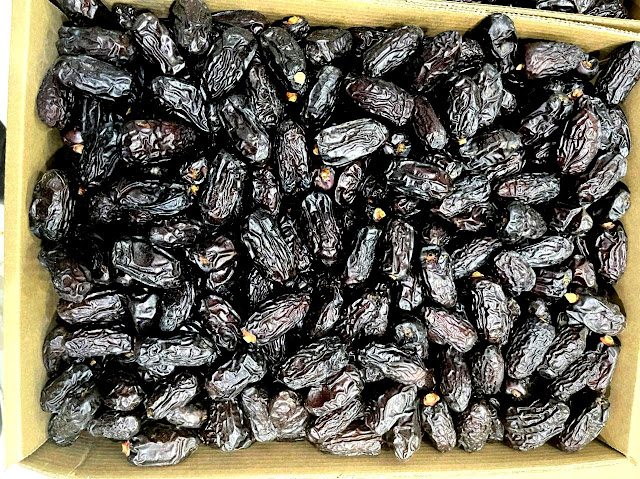
Safawi dates are a premium Saudi Arabian variety valued for their balanced sweetness, attractive appearance and comparatively firm texture. They are popular among wholesalers, specialty retailers, supermarkets and hospitality buyers seeking a premium semi-dry date with good handling characteristics.
Commercial Profile
| Attribute | Information |
|---|---|
| Primary Origin | Saudi Arabia |
| Texture | Semi-dry |
| Appearance | Dark brown to black, elongated fruit |
| Typical Packaging | Retail packs, premium gift boxes, export cartons |
| Recommended Storage | Cool, dry storage with good humidity control |
| Commercial Uses | Retail, wholesale, gifting, hospitality, healthy snacking |
Wholesale Buying Checklist
- Verify origin and grade consistency.
- Inspect fruit size, colour and skin condition.
- Review packaging quality and labeling.
- Check storage recommendations and shelf-life information.
- Request representative samples before confirming large orders.
Mabroom Dates

Mabroom is a premium date variety known for its elongated fruit, moderately firm texture and rich caramel-like flavour. It is widely selected by premium retailers, gourmet stores, hospitality buyers and corporate gifting companies seeking a distinctive alternative to softer varieties.
Commercial Profile
| Attribute | Specification |
|---|---|
| Primary Origin | Saudi Arabia |
| Texture | Semi-dry to chewy |
| Appearance | Long, slender fruit with glossy skin |
| Typical Packaging | Retail boxes, premium gift packs, export cartons |
| Recommended Storage | Store in a cool, dry environment away from direct sunlight |
| Ideal Buyers | Retail chains, wholesalers, HORECA and gifting businesses |
Buyer Inspection Checklist
- Confirm origin, crop year and agreed grade.
- Inspect fruit size uniformity and skin condition.
- Verify packaging quality and pallet configuration.
- Check moisture balance and shelf-life information.
- Approve representative samples before large-volume procurement.
Sukkari Dates

Sukkari dates are a premium Saudi Arabian variety recognised for their golden colour, soft bite and pronounced sweetness. They are widely marketed through supermarkets, gourmet retailers, online stores and corporate gifting channels.
| Commercial Attribute | Details |
|---|---|
| Country of Origin | Saudi Arabia |
| Texture | Soft to semi-soft |
| Colour | Golden brown |
| Preferred Packaging | Retail trays, premium cartons and gift boxes |
| Recommended Storage | Store in cool, dry conditions; refrigerate for extended storage. |
| Typical Buyers | Retail chains, wholesalers, gifting companies and HORECA. |
Wholesale Buying Checklist
- Confirm the agreed grade and fruit size.
- Inspect colour uniformity and surface condition.
- Verify packaging, labels and traceability.
- Request samples before confirming large-volume orders.
- Review storage and transport arrangements.
Zahidi Dates
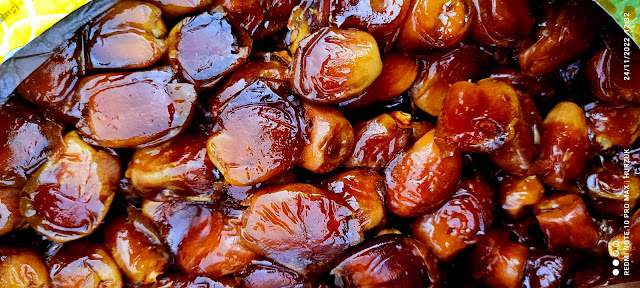
Zahidi is a semi-dry commercial variety widely used in wholesale distribution, food processing and ingredient manufacturing. Its comparatively firm texture and longer storage potential make it suitable for buyers requiring dependable handling during transport and warehousing.
| Commercial Attribute | Details |
|---|---|
| Main Producing Regions | Iraq and other date-producing regions |
| Texture | Semi-dry to dry |
| Colour | Golden yellow to light brown |
| Typical Packaging | Bulk cartons, retail packs and industrial packaging |
| Storage | Cool, dry storage with controlled humidity |
| Applications | Wholesale, processing, bakery, confectionery and ingredient use |
Buyer Inspection Checklist
- Confirm crop year, origin and agreed grade.
- Inspect size consistency, colour and cleanliness.
- Check moisture level and packaging integrity.
- Verify palletisation and transport requirements.
- Approve representative samples before bulk procurement.
Deglet Noor Dates

Deglet Noor is one of the world's best-known commercial date varieties. Its balanced sweetness, relatively firm texture and long shelf stability make it a preferred choice for wholesalers, supermarkets, bakeries, ingredient manufacturers and export buyers.
| Commercial Attribute | Details |
|---|---|
| Primary Producing Region | Tunisia (major commercial origin), with production in other countries |
| Texture | Semi-dry |
| Appearance | Amber to light brown with translucent flesh |
| Packaging | Retail packs, foodservice cartons and export cartons |
| Storage | Cool, dry storage; maintain clean warehouse conditions |
| Applications | Retail, baking, confectionery, ingredient processing and wholesale trade |
Buyer Quality Checklist
- Verify origin, crop season and agreed specifications.
- Inspect colour uniformity and fruit size.
- Check for damage, foreign matter and packaging integrity.
- Confirm moisture level and shelf-life expectations.
- Approve samples before placing large-volume orders.
Kimia Dates

Kimia dates are widely recognised in international trade as a premium soft date with a smooth texture and naturally sweet flavour. They are commonly supplied to wholesalers, supermarkets, premium retailers, foodservice operators and gifting businesses that require visually attractive fruit with consistent quality.
| Commercial Attribute | Details |
|---|---|
| Primary Producing Region | Iran |
| Texture | Soft |
| Appearance | Dark brown to black with glossy skin |
| Packaging | Retail trays, vacuum packs, premium gift boxes and export cartons |
| Cold Chain | Recommended for long-distance transport and extended storage |
| Commercial Uses | Wholesale, supermarkets, gifting, hospitality and premium retail |
Buyer Evaluation Checklist
- Verify crop year and origin documentation.
- Inspect moisture balance and skin condition.
- Confirm grade, fruit size and packaging specifications.
- Review cold-chain arrangements before shipment.
- Approve representative samples before confirming large orders.
Interactive Premium Date Variety Finder
Select your buying preferences to identify suitable commercial varieties.
Quick Variety Comparison
| Variety | Texture | Typical Positioning |
|---|---|---|
| Medjool | Soft | Luxury retail & gifting |
| Ajwa | Soft | Premium specialty market |
| Kimia | Soft | Premium wholesale |
| Safawi | Semi-dry | Retail & hospitality |
| Mabroom | Semi-dry | Premium gifting |
| Sukkari | Soft | Retail & gifting |
| Zahidi | Dry | Processing & bulk trade |
| Deglet Noor | Semi-dry | Retail & food industry |
Wholesale Prices & Market Intelligence (2026)
Wholesale date prices vary according to origin, variety, crop quality, fruit size, packaging, order quantity, seasonality, freight costs and currency movements. Premium varieties generally command higher prices because of limited supply, stricter grading requirements and stronger consumer demand.
| Variety | Typical Market Position | Main Price Drivers |
|---|---|---|
| Medjool | Luxury | Large fruit size, premium grading, gifting demand |
| Ajwa | Premium | Origin, authenticity, seasonal demand |
| Kimia / Mazafati | Premium Soft | Cold-chain handling, moisture level, packaging |
| Safawi | Premium Semi-dry | Grade, size consistency, retail demand |
| Sukkari | Premium | Presentation, freshness and packaging |
| Zahidi | Value / Industrial | Bulk volume and processing demand |
| Deglet Noor | Mainstream Export | Export quality, packaging and logistics |
Factors Affecting Wholesale Prices
- Harvest quality and crop size.
- Country of origin and export availability.
- Fruit grading and size classification.
- Retail or industrial packaging specifications.
- Container freight, insurance and inland transport.
- Seasonal demand, especially before Ramadan.
- Exchange-rate fluctuations.
- Food safety certification and documentation.
Country Comparison for Wholesale Date Buyers
Selecting the right country of origin depends on your target market, preferred varieties, budget, storage capability and customer expectations. Buyers should evaluate consistency, documentation and logistics in addition to price.
| Origin | Well-known Varieties | Typical Strengths | Commercial Considerations |
|---|---|---|---|
| Iran | Kimia, Mazafati, Rabbi | Wide range of soft premium dates | Cold-chain planning is important for high-moisture varieties. |
| Saudi Arabia | Ajwa, Safawi, Mabroom, Sukkari | Premium gifting and retail positioning | Verify grading, origin and packaging specifications. |
| Jordan | Medjool | Large premium fruit | Premium pricing may reflect grade and fruit size. |
| Tunisia | Deglet Noor | Strong export presence | Popular for retail and food manufacturing. |
| Iraq | Zahidi | Bulk and industrial applications | Assess moisture, grading and logistics. |
Country Selection Checklist
- Match variety characteristics to your customer segment.
- Confirm harvest season and current crop availability.
- Review export documentation and food safety records.
- Compare landed cost instead of supplier price alone.
- Request representative samples before finalising contracts.
Procurement Calendar & Seasonal Buying Strategy
Wholesale buying decisions should consider harvest periods, shipping lead times, festival demand, warehouse capacity and inventory turnover. Planning purchases well before peak consumption periods can improve supplier availability and reduce supply-chain pressure.
| Period | Typical Market Activity | Buyer Action |
|---|---|---|
| January–March | Strong demand in many markets ahead of Ramadan (timing varies by year). | Secure confirmed inventory and finalise logistics. |
| April–June | Retail replenishment and foodservice demand. | Review stock rotation and supplier performance. |
| July–September | New harvest planning in several producing regions. | Request crop updates, samples and indicative quotations. |
| October–December | Harvest availability increases for many commercial varieties. | Negotiate annual contracts and build strategic inventory. |
Seasonal Buying Checklist
- Forecast demand by customer segment.
- Monitor harvest reports and export availability.
- Book freight capacity before peak shipping periods.
- Verify packaging specifications and pallet configuration.
- Plan warehouse space for incoming consignments.
- Maintain buffer inventory for seasonal demand spikes.
Supplier Verification & Quality Assurance
Choosing the right supplier is one of the most important decisions in wholesale procurement. A structured verification process helps reduce quality issues, shipment delays, documentation problems and commercial disputes.
| Verification Area | What to Check |
|---|---|
| Business Credentials | Exporter registration, company details, trading history and customer references. |
| Quality Management | Product specifications, grading standards, food safety systems and inspection procedures. |
| Documentation | Commercial invoice, packing list, certificate of origin and any buyer-required certificates. |
| Packaging | Carton strength, retail labeling, palletisation and transport suitability. |
| Logistics | Shipping schedule, cold-chain capability (where required), insurance and delivery performance. |
Years in export business
Consistency of grading and packaging
Accuracy and completeness
On-time shipment performance
Responsiveness and technical support
- Request representative samples before bulk purchasing.
- Confirm agreed quality specifications in writing.
- Review packaging, labeling and pallet configuration.
- Verify shipment timelines and Incoterms.
- Maintain written records of inspections and approvals.
Quality Standards & Commercial Grading
Consistent grading helps buyers compare offers, reduce disputes and establish clear purchasing specifications. Before confirming a shipment, define the required quality parameters in your purchase agreement.
| Quality Parameter | Buyer Verification | Commercial Importance |
|---|---|---|
| Fruit Size | Check agreed grade and size uniformity. | Premium presentation and pricing. |
| Colour | Inspect consistency across cartons. | Consumer acceptance. |
| Moisture | Confirm suitability for storage and transport. | Shelf life and handling. |
| Skin Condition | Review for splits or excessive damage. | Retail appearance. |
| Foreign Matter | Inspect cleanliness and packing hygiene. | Food safety expectations. |
| Packaging | Verify labels, carton strength and palletisation. | Transit protection. |
Uniform appearance, consistent size, minimal defects.
Suitable for mainstream retail and wholesale distribution.
Often used for bakery, confectionery and ingredient manufacturing.
Inspection Checklist
- Inspect random cartons rather than only the top layer.
- Photograph samples and retain inspection records.
- Confirm specifications match the purchase contract.
- Record any quality deviations before shipment acceptance.
- Use consistent acceptance criteria for repeat suppliers.
Packaging, Storage & Cold Chain Management
Proper packaging and storage help preserve appearance, texture and quality during transport and warehousing. The ideal approach depends on the variety, moisture content, destination market and expected storage duration. High-moisture varieties generally require more careful temperature management than semi-dry or dry dates.
| Packaging Type | Typical Use | Key Considerations |
|---|---|---|
| Retail Trays | Supermarkets & retail | Good presentation, tamper-evident sealing and clear labelling. |
| Vacuum Packs | Premium soft varieties | Can help maintain quality during storage when properly handled. |
| Gift Boxes | Corporate gifting & festive sales | Focus on appearance, cushioning and premium presentation. |
| Bulk Export Cartons | Wholesale distribution | Strong cartons, pallet stability and moisture protection. |
Storage Guidance
Maintain clean storage areas, control humidity where practical and avoid direct sunlight.
Soft, high-moisture varieties may benefit from refrigerated storage and transport depending on product specifications and expected transit times.
Adopt a documented stock rotation process (for example, FIFO or FEFO where appropriate) and inspect inventory regularly.
- Keep products away from strong odours, moisture and pests.
- Inspect packaging for damage before dispatch.
- Monitor warehouse cleanliness and environmental conditions.
- Record storage temperatures where required by your quality system.
- Review shelf-life information before shipment.
Import Documentation & Compliance
Before confirming a shipment, ensure that the commercial terms, product specifications and required documentation are agreed in writing. Import requirements vary by destination country, so always verify the latest rules with the relevant customs authorities, import regulations and your customs broker.
| Document | Purpose |
|---|---|
| Commercial Invoice | Describes the goods, value and agreed commercial terms. |
| Packing List | Lists carton counts, weights and packing details. |
| Certificate of Origin | Confirms the declared country of origin where required. |
| Transport Documents | Support movement of cargo through the logistics chain. |
| Buyer-required Certificates | Provide additional evidence requested by the purchaser or destination market. |
Importer Readiness Checklist
Wholesale Price Calculator (Illustrative)
This calculator provides an illustrative estimate only. Actual quotations vary with grade, origin, crop season, packaging, Incoterms, freight, exchange rates and supplier negotiations.
Landed Cost Calculator (Illustrative)
Use this worksheet to estimate total procurement costs. Replace the example figures with your own quotations and charges.
Profit Margin Calculator (Illustrative)
Use this calculator to estimate gross profit, gross margin and markup. Replace the example values with your own business figures for planning purposes.
Container Capacity Calculator (Illustrative)
This planning tool provides simplified estimates for logistics planning. Actual loading capacity depends on carton dimensions, pallet configuration, container type, weight limits and destination requirements.
Shelf-Life Calculator & Storage Planner (Illustrative)
Estimate a planning window based on storage conditions. Actual shelf life depends on variety, moisture, packaging and handling.
Interactive Packaging Advisor
Select your intended market and product type to receive an illustrative packaging recommendation.
Packaging Verification Checklist
- Confirm carton dimensions and stacking strength.
- Verify food-grade packaging materials.
- Review labeling, batch coding and traceability requirements.
- Check pallet configuration and transport suitability.
- Confirm storage recommendations with the supplier.
Supplier Score Calculator
Assign a score from 1 (poor) to 10 (excellent) for each evaluation area. This tool is for internal comparison and should be used alongside supplier audits and product inspections.
Smart RFQ (Request for Quotation) Generator
Create a structured RFQ that you can copy and send to prospective suppliers.
Import Readiness Scorecard
Tick each completed task to estimate your procurement readiness before confirming a wholesale shipment.
Wholesale Procurement Dashboard
Use this dashboard as a final planning worksheet before confirming a wholesale dates purchase. It complements the calculators and checklists included throughout this guide.
Preferred supplier shortlisted and verified.
Review landed cost and expected selling margin.
Confirm shipment schedule, packaging and warehouse readiness.
Verify commercial documents and import requirements.
Final Procurement Checklist
- ☐ Supplier approved after sample evaluation
- ☐ Commercial specifications confirmed in writing
- ☐ Packaging and labelling approved
- ☐ Freight booking confirmed
- ☐ Import documentation reviewed
- ☐ Warehouse and inventory plan prepared
- ☐ Payment terms approved
- ☐ RFQ and purchase order archived
Procurement Summary
Attach this summary to your internal purchasing file together with supplier quotations, inspection records, logistics confirmations and payment approvals.
Wholesale Buyer's Master Checklist
Use this printable checklist before approving any wholesale dates purchase. Working through each stage can help reduce procurement risk, improve supplier selection and maintain consistent quality standards.
Supplier Verification
- ☐ Company credentials verified
- ☐ Export experience reviewed
- ☐ References checked
- ☐ Samples approved
- ☐ Quality specifications agreed
Commercial Review
- ☐ Variety confirmed
- ☐ Grade confirmed
- ☐ Quantity agreed
- ☐ Packaging approved
- ☐ Incoterms confirmed
Logistics
- ☐ Freight booked
- ☐ Warehouse ready
- ☐ Insurance arranged
- ☐ Delivery schedule confirmed
- ☐ Container inspection completed
Documentation
- ☐ Commercial invoice
- ☐ Packing list
- ☐ Certificate of origin (if required)
- ☐ Shipping documents received
- ☐ Internal approvals completed
Wholesale Dates Industry Glossary
This glossary explains common wholesale, quality, logistics and international trade terminology used when sourcing, importing and distributing dates.
- Acceptance Criteria
- The agreed quality requirements a shipment must meet before being accepted.
- Ambient Storage
- Storage under normal warehouse conditions without refrigeration.
- Batch Number
- A code used for traceability throughout production and distribution.
- Bulk Carton
- A larger shipping carton intended for wholesale distribution.
- Cold Chain
- Temperature-controlled storage and transport used for products requiring consistent cooling.
- Certificate of Origin
- A document stating the declared country of origin where required.
- FIFO
- First In, First Out inventory rotation method.
- FEFO
- First Expired, First Out inventory rotation method where appropriate.
- Grade
- A commercial classification based on agreed quality characteristics.
- Incoterms
- International commercial rules defining buyer and seller responsibilities for delivery.
- Landed Cost
- Total procurement cost including product value and associated import expenses.
- MOQ
- Minimum Order Quantity requested by a supplier.
- Moisture Content
- The amount of water present in the product, influencing handling and storage.
- Palletisation
- Arranging cartons on pallets for efficient handling and transport.
- Quality Inspection
- Review of products against agreed commercial specifications.
- Shelf Life
- The period during which the product is expected to maintain acceptable quality when stored correctly.
- Traceability
- The ability to track products through the supply chain.
Ultimate Wholesale Dates FAQ – Part 1
The following questions address common topics raised by importers, wholesalers, retailers and food businesses. Always verify current commercial, customs and regulatory requirements for your destination market.
1. How do I choose the right date variety?
Match the variety to your target market, budget, texture preference, packaging format and expected shelf-life requirements.
2. What should I request before placing a bulk order?
Request specifications, representative samples, quotations, packaging details, lead times and required documentation.
3. Why is grading important?
Clear grading specifications help reduce disputes and ensure consistent quality expectations.
4. How should I compare supplier quotations?
Compare total landed cost, product specifications, packaging, Incoterms and service—not price alone.
5. Which packaging is suitable for export?
Packaging should protect the product throughout transport and comply with buyer and destination requirements.
6. Should I inspect samples?
Yes. Sample approval helps confirm quality before larger purchases.
7. How can I reduce procurement risk?
Use written specifications, documented approvals, supplier verification and quality inspections.
8. What affects shelf life?
Variety, moisture level, storage conditions, packaging and handling all influence product longevity.
9. Why does origin matter?
Different producing regions specialise in different varieties, quality profiles and commercial positioning.
10. What is an RFQ?
A Request for Quotation outlines your purchasing requirements so suppliers can prepare comparable offers.
11. What is MOQ?
MOQ means Minimum Order Quantity requested by a supplier.
12. Should I use refrigerated transport?
High-moisture varieties may benefit from temperature-controlled logistics depending on specifications and transit time.
13. How often should suppliers be reviewed?
Evaluate supplier performance regularly using consistent quality, logistics and documentation criteria.
14. What records should buyers retain?
Keep quotations, purchase orders, inspection reports, shipping records and correspondence.
15. Why is traceability important?
Traceability supports quality management and efficient issue resolution.
16. How should inventory be rotated?
Use a documented inventory rotation system such as FIFO or FEFO where appropriate.
17. What documents are commonly requested?
Requirements vary, but commonly include invoices, packing lists, transport documents and origin documentation where applicable.
18. How do I prepare for seasonal demand?
Forecast demand, secure inventory early and coordinate logistics in advance.
19. Can I compare multiple suppliers?
Yes. A structured scorecard helps compare quality, documentation, logistics and pricing.
20. What is the biggest mistake new importers make?
Focusing only on unit price instead of overall quality, service, documentation and total landed cost.
Ultimate Wholesale Dates FAQ – Part 2
This section covers advanced commercial questions frequently raised by importers, distributors, retailers and procurement teams.
21. How early should I request quotations?
For seasonal purchases, obtain quotations well before anticipated demand and allow time for supplier evaluation.
22. What should be included in product specifications?
Specify variety, grade, size, packaging, quantity, quality expectations and delivery requirements.
23. How important are Incoterms?
Incoterms define delivery responsibilities between buyer and seller and should be agreed before contracting.
24. Can multiple origins reduce supply risk?
Maintaining qualified suppliers from more than one origin may improve resilience.
25. Should every shipment be inspected?
Inspection practices depend on commercial agreements, risk tolerance and quality systems.
26. How can I negotiate effectively?
Compare total value, reliability, service and documentation instead of focusing only on unit price.
27. Why is packaging consistency important?
Consistent packaging supports retail presentation, transport protection and inventory management.
28. What causes shipment delays?
Production schedules, documentation, logistics constraints and customs processes may affect delivery.
29. How should I store imported dates?
Follow supplier guidance and maintain appropriate storage conditions for the specific variety.
30. Should contracts include quality specifications?
Yes. Written specifications help reduce misunderstandings and support consistent purchasing.
31. What is a representative sample?
A sample intended to reflect the agreed commercial quality before bulk shipment.
32. How often should pricing be reviewed?
Review quotations regularly because market conditions and logistics costs can change.
33. Why is traceability valuable?
It supports quality management, inventory control and efficient issue resolution.
34. What is the benefit of long-term supplier relationships?
They can improve communication, planning and consistency over time.
35. How should procurement records be organised?
Maintain quotations, contracts, inspection reports, shipping documents and approvals in a structured archive.
36. Is warehouse planning important?
Yes. Capacity, stock rotation and environmental conditions influence operational efficiency.
37. What should buyers review after each season?
Supplier performance, quality outcomes, logistics efficiency and commercial results.
38. How do I compare competing offers?
Evaluate quality, service, documentation, logistics and total procurement cost together.
39. What is continuous supplier improvement?
Regular performance reviews and feedback to encourage better quality and service.
40. What is the key to successful wholesale sourcing?
Consistent planning, verified suppliers, documented specifications and disciplined procurement processes.
Editorial Methodology, References & Trust Information
This guide is intended as an educational wholesale sourcing resource. Procurement decisions should always be based on current supplier quotations, applicable regulations, product specifications and professional advice where required.
Editorial Standards
- Content reviewed for clarity and consistency.
- Commercial terminology checked before publication.
- Updates incorporated when significant market changes occur.
- Corrections made where verified improvements are identified.
Research Methodology
- Review industry publications and public trade information.
- Compare commercial specifications across producing regions.
- Incorporate practical procurement workflows.
- Differentiate educational guidance from supplier quotations.
Suggested Reference Categories
- Government agriculture publications
- Food standards authorities
- Customs and trade guidance
- Industry associations and academic literature
Update Policy
- Review pricing guidance periodically.
- Update logistics information as needed.
- Refresh internal links when new articles are published.
- Add newly released date varieties and market insights.
Author & Experience
Add your author biography, industry experience, editorial policy, organisation details, contact page and disclosure statement here to strengthen trust signals and E‑E‑A‑T.
Last Editorial Review: 11:48 am Wednesday, 1 July 2026 (IST)
Next Planned Review: 11:48 am Wednesday, 2 July 2026 (IST)
Conclusion & Next Steps
Successful wholesale sourcing depends on careful planning, supplier verification, clear specifications, quality inspections, efficient logistics and disciplined commercial decision-making. Use the calculators, checklists and procurement tools throughout this guide as planning aids, then validate every commercial decision with current quotations, applicable regulations and your own due diligence.
Continue Learning
Expand your knowledge of the global dates industry with these expert resources from Dates.Business. Explore premium date varieties, wholesale sourcing, international trade, nutrition, storage, and commercial buying guides to make more informed procurement decisions.
- Ultimate Guide to Dates – Complete Date Fruit Knowledge Hub
- Best Dates in the World – Premium Date Varieties Compared
- Complete Date Varieties Encyclopedia
- Health Benefits, Nutrition & Scientific Research
- Storage, Shelf Life & Packaging Guide
- Wholesale Import & Export Guide for Date Buyers
- Wholesale Dates Suppliers in India
- APMC Vashi Wholesale Dates Market Guide
- Iranian Dates Buying Guide
- Saudi Arabian Premium Dates Guide
- Browse the Complete Dates.Business Knowledge Library
About the Author
Mohammad Abid Hurzuk is the founder of Dates.Business and Director of Hurzuk Enterprise LLP, a company actively involved in the wholesale dates industry. Drawing on practical experience in sourcing, importing, wholesale distribution, and market research, he publishes in-depth educational resources covering premium date varieties, international trade, quality evaluation, nutrition, storage, procurement strategies, and global market trends.
Every article is reviewed to provide practical, research-backed information for importers, wholesalers, retailers, food manufacturers, exporters, hospitality buyers, and entrepreneurs interested in the international dates industry.
Ready to Source Premium Wholesale Dates?
Use this guide as your procurement reference, keep it updated with current market information, and expand it with new research, buyer tools and internal resources as your knowledge base grows.


